
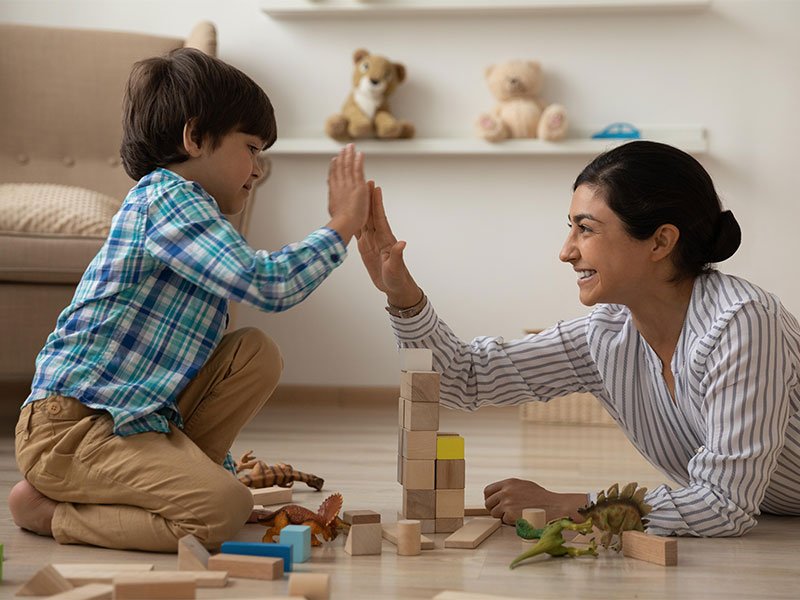
Picture two children finishing fifth grade with identical report cards, straight A’s across the board. One walks into a room and freezes when asked to introduce herself. The other can’t sit still long enough to finish a group project without conflict. Grades told you nothing about either of these gaps—because academic performance is only one thread in a much larger fabric of growth. This is exactly why holistic child development has become the framework serious parents and educators now use to raise genuinely capable, well-rounded children.
Holistic child development is the practice of nurturing a child across all interconnected dimensions of growth—physical, cognitive, social, emotional, and moral—rather than prioritizing academic achievement in isolation. Understanding why this matters and how to actively support it is one of the most consequential decisions a parent makes in shaping who their child becomes.
What Holistic Child Development Actually Means
Holistic development rejects the idea that a child’s growth can be measured by test scores alone. Child development research consistently identifies distinct but deeply interconnected domains—physical, cognitive, social, and emotional—each of which shapes and reinforces the others. A child cannot develop a strong problem-solving ability without the emotional regulation to manage frustration when a solution doesn’t come easily and cannot build genuine social skills without the communication confidence to engage peers in the first place.
The five core domains that make up holistic development include:
- Physical development—gross and fine motor skills, coordination, and healthy bodily growth
- Cognitive development—problem-solving, memory, language, and critical thinking ability
- Social development—the capacity to build relationships, cooperate, and navigate group dynamics
- Emotional development—understanding, expressing, and regulating feelings in healthy ways
- Moral development—empathy, values, and the ability to distinguish right from wrong in real situations
Because these domains are interdependent, a gap in one area quietly limits progress in the others, which is precisely why a narrow, academics-only approach so often produces children who are intellectually capable but socially or emotionally underprepared for the real world.
Why Academic Success Alone Isn’t Enough
Modern parenting culture places enormous emphasis on grades and test scores, often at the expense of the softer, harder-to-measure skills that actually determine long-term success. A holistic approach to early childhood puts the whole child first, prioritizing confidence, character, and a genuine sense of belonging alongside academic learning.
The research is consistent: children raised with attention to holistic growth demonstrate stronger classroom participation, better peer relationships, and greater emotional resilience during setbacks than children whose development has focused narrowly on academic metrics. A child who struggles to make friends or manage frustration will eventually struggle in the classroom, too, regardless of natural intelligence.
The Confidence Gap Most Parents Don’t See Coming
Here’s a pattern child development specialists see repeatedly: a bright, articulate child at home suddenly goes quiet in front of a classroom, a stage, or even a small group of unfamiliar peers. This isn’t shyness a child simply “grows out of”—it’s an underdeveloped confidence and communication muscle that, left unaddressed, tends to follow children well into their teenage and adult years, showing up later as hesitation in interviews, presentations, and leadership moments.
This is exactly where personality development for kids earns its place as a genuine developmental priority rather than an optional extra. Structured personality development gives children a dedicated space to practice public speaking, body language, and self-expression through activities like storytelling and role-play, turning an abstract fear of judgment into a rehearsed, comfortable skill. For parents watching their child shrink in social or academic spotlight moments, this is often the single most direct, measurable intervention available—closing the confidence gap before it hardens into an adult pattern.
The Real-World Costs of an Unbalanced Approach
Parents often don’t notice developmental gaps until they surface as visible problems—a child who excels at math but melts down over minor social friction, or one with an excellent vocabulary who freezes during a class presentation. These aren’t isolated quirks; they’re signals of underdeveloped domains that were never given deliberate attention.
Left unaddressed, these gaps tend to widen rather than close on their own, because school systems are structurally built around cognitive and academic measurement, leaving social, emotional, and moral growth largely to chance. Children between the ages of four and fourteen are in their most formative developmental years, actively forming habits, confidence levels, communication styles, and social behavior patterns that persist well into adulthood. This is precisely the window where deliberate, structured intervention makes the difference between a child who develops these skills by accident and one who develops them by design.

Building Emotional and Social Skills Alongside Academics
Emotional intelligence deserves particular attention because it functions as the foundation beneath nearly every other developmental domain. Social interactions are central to how children learn to understand their own feelings and those of others, and this emotional awareness continues maturing well into adolescence as the brain’s emotional regulation centers develop.
Children who receive structured support in this domain learn to manage anger and fear, express emotions positively, show empathy, and handle peer pressure with far greater confidence than those left to figure it out unsupervised. Social development follows a similar arc—the ability to make friends, resolve conflict peacefully, wait patiently, and follow rules doesn’t emerge automatically; like any skill, children build these capacities in small, practiced steps over time.
How Structured Programs Build Skills Schools Don’t Prioritize?
Parents frequently ask what they can realistically do to support the domains that traditional schooling doesn’t cover. The honest answer is that awareness without structure rarely produces lasting change—children need consistent, repeated practice in a supportive environment to genuinely internalize new skills, not a single conversation or occasional reminder.
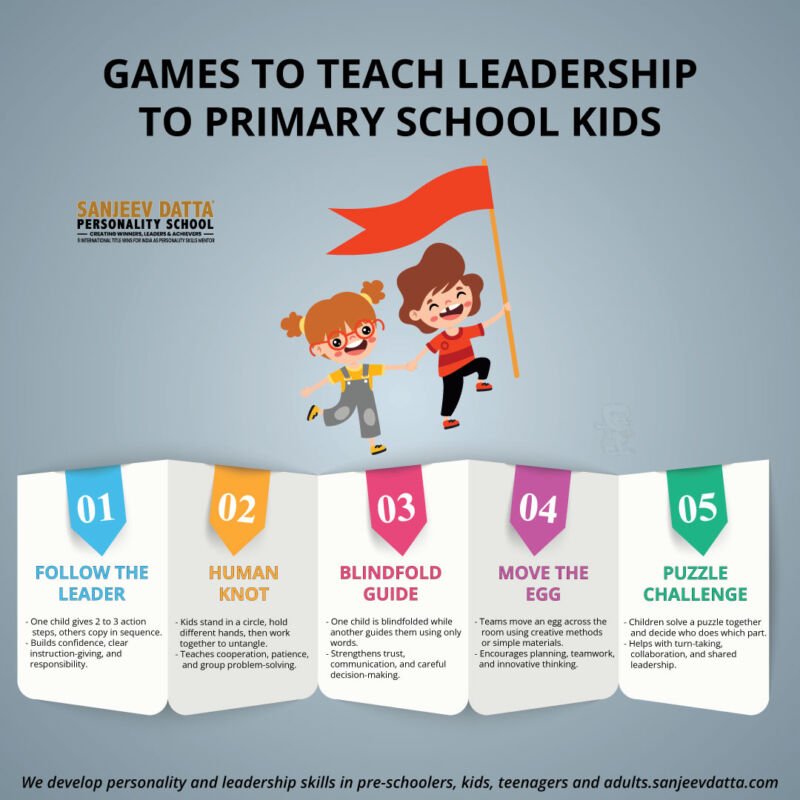
Personality development classes are built precisely to fill that structural gap, offering children a consistent, expert-guided environment to build leadership. emotional regulation, and long-term social confidence through interactive group activities, discussions, and structured feedback that most classrooms simply don’t have time for. Programs built around this model consistently report measurable improvement in children’s speaking confidence, classroom participation, stage performance, and overall social behavior after sustained participation. For parents who want their child’s growth to be intentional rather than incidental, enrolling in a structured personality development program offers exactly the kind of consistent reinforcement that turns scattered good intentions into genuine, lasting capability.
Practical Ways Parents Can Support Holistic Growth at Home
Structured programs work best when paired with supportive habits at home. Small, consistent parenting choices reinforce every domain of development without requiring formal intervention:
- Encourage unstructured play, which builds physical coordination and independent problem-solving simultaneously
- Ask open-ended questions at dinner that require your child to explain reasoning, not just answer yes or no
- Let your child resolve minor peer conflicts independently before stepping in
- Model calm emotional regulation yourself, since children absorb coping strategies primarily by observation
- Rotate creative activities like drawing, building, or storytelling to nurture cognitive flexibility
- Discuss real-life scenarios involving fairness and empathy to build moral reasoning gradually
These habits work alongside, not instead of, dedicated structured learning, home reinforcement, and expert-guided practice. They compound each other rather than substituting for one another.
how to identify child hidden potential
Raising the Whole Child, Not Just the Grade
The parents who look beyond report cards to ask how their child is really growing—socially, emotionally, physically, and morally—are the ones setting their children up for genuine, lasting success. Holistic child development isn’t an alternative to academic achievement; it’s the foundation that makes academic achievement, and everything that follows it, actually sustainable.
FAQ: Holistic Child Development
1. What is holistic child development in simple terms?
Holistic child development means nurturing a child across all key areas of growth—physical, cognitive, social, emotional, and moral—rather than focusing on academic performance alone.
2. At what age should parents start focusing on holistic development?
Child development experts emphasize that the years from roughly age four to fourteen are the most formative for building habits, confidence, and social-emotional skills, making early and consistent attention across all domains especially valuable.
3. How is holistic development different from just good parenting?
Holistic development is a deliberate, structured framework that ensures every developmental domain receives intentional attention, whereas everyday parenting often naturally prioritizes whichever areas feel most urgent, like academics or behavior, at the expense of others.
4. Can personality development classes really make a measurable difference?
Yes—structured personality development classes consistently show measurable improvement in children’s confidence, communication, classroom participation, and social behavior when practiced consistently over time.
5. Does holistic development mean academics matter less?
No—holistic development actually strengthens academic performance, since children who are emotionally secure and socially confident tend to participate more actively and handle academic pressure with greater resilience.