

Mentorship programs for female entrepreneurs are structured relationships that pair founders with experienced business leaders who offer guidance, industry connections, and accountability throughout the startup journey. They exist because two women can start with identical business plans and identical talent, and end up in very different places—not because one worked harder, but because one had someone in her corner who had already navigated the terrain. I’ve coached enough founders to know that the gap rarely comes down to skill. It comes down to who had a guide, and who was figuring it out alone at midnight.
This piece is for the founder who’s tired of generic “networking matters” advice and wants to understand exactly what mentorship does, where it falls short, and what closes that remaining gap.
What Mentorship Actually Solves (and What It Doesn’t)
Mentorship solves for experience gaps. A mentor has already made the mistakes you’re about to make—the bad hire, the underpriced first contract, the investor who talked a big game and vanished. Borrowing her hindsight saves you months, sometimes years.
What mentorship doesn’t automatically solve is *how you show up*. You can have the sharpest strategic advice in the world and still walk into a pitch meeting, hear your own voice shake, and watch the room’s attention drift. That’s not a knowledge problem. It’s a presence problem—and it’s the piece most mentorship programs quietly skip.
The Three Gaps Female Entrepreneurs Are Actually Navigating
The Funding Gap
Female-led startups continue to raise smaller rounds than comparable male-led startups, even in the same sectors with the same growth metrics. A mentor who’s raised capital before can prep you for exactly the objections you’re likely to face—objections that rarely show up in generic pitch-deck templates.
The Network Gap
Many women enter entrepreneurship without the decades-long “old boys’ network” that’s still quietly opening doors in plenty of industries. A single introduction from the right mentor can do more for your business than months of cold outreach.
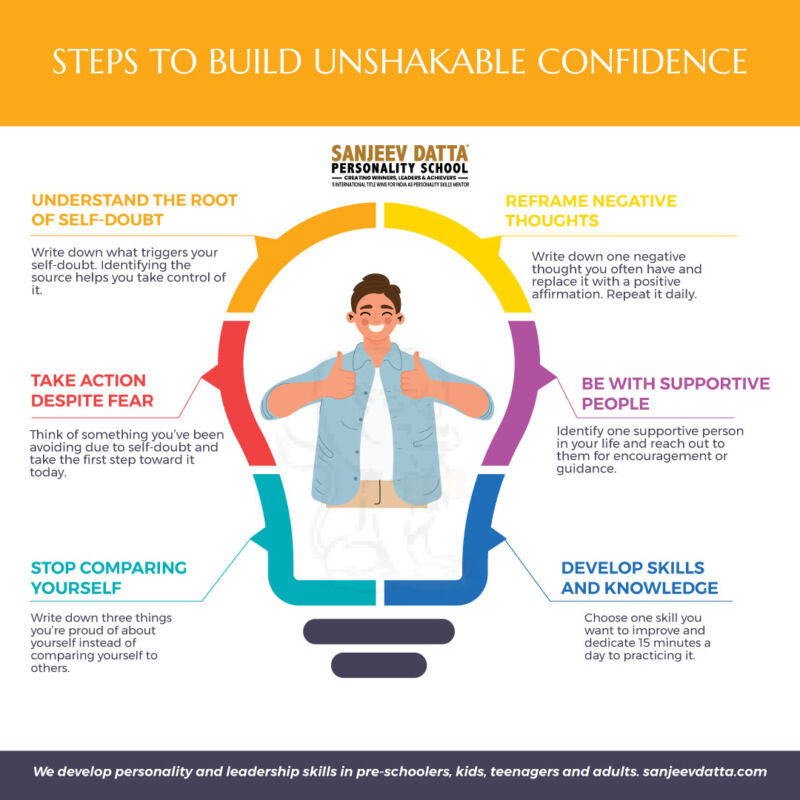
The Confidence Gap
This is the one nobody puts on a slide. You can be fully qualified and still under-negotiate, over-explain, or apologize your way through a meeting you were fully prepared for. Think of it like owning a beautifully renovated house with no lighting installed—the value is there, but nobody can see it clearly yet.
A Quick Example of the Gap in Action
Picture two founders, both pitching nearly identical SaaS products to the same investor panel in the same week. One has spent three months polishing her deck alone. The other has a mentor who flagged that her pricing slide invited an obvious objection, ran a mock Q&A with her twice, and reminded her—five minutes before walking in—to slow her pace when she’s nervous. Same product, same market. Very different meeting. The advantage wasn’t talent. It was preparation that only comes from someone who’s sat on the other side of that table before.
How Mentorship Evolves as Your Business Grows
Mentorship isn’t a single conversation you graduate from—its role shifts as your business does.
- Early stage: the focus is validation and avoiding rookie mistakes—pricing too low, hiring too fast, or signing a contract you didn’t fully read.
- Growth stage: conversations shift toward scaling decisions—when to raise a round, who to bring on as your first real leadership hire, and how to protect your time as demand outpaces your calendar.
- Later stage: many founders who once relied on mentors start mentoring others themselves. That’s not incidental—it’s the same cycle that built the support you benefited from, now continuing forward.
Founders who treat mentorship as a one-time boost tend to plateau once the initial guidance runs out. The ones who keep evolving the relationship—or bring in new mentors as new challenges appear—tend to keep growing past the point where advice alone stops being useful.

What a Good Mentor Actually Does Day to Day, in More Detail
It’s worth getting specific here, because “mentorship” as a word has become vague enough to mean almost anything. A mentor who’s genuinely earning her role tends to do a few concrete things on a regular basis, not just occasionally check in when it’s convenient. She reviews your numbers before a big meeting and tells you what’s actually going to get questioned, not just what looks good. She makes a direct, warm introduction—not a vague “you two should connect”—because she knows exactly why the two of you should be in the same room. She pushes back, sometimes bluntly, on a decision you’re emotionally attached to but that doesn’t hold up strategically. She holds you to a goal you set months ago and quietly hoped everyone had forgotten. And she models, simply by how she operates, what it looks like to turn down a bad deal without a three-paragraph apology attached to it.
That last habit is one founders rarely learn any other way. If you’ve never watched someone set a boundary calmly and without over-explaining, it’s easy to assume you’re not allowed to either.

Where Personal Presence Enters the Picture?
Here’s the part that surprises most founders: the mentor can hand you the strategy, but she can’t hand you the delivery. How you present that strategy—your tone, pacing, eye contact, and the calm you project under pressure—is a separate, trainable skill. This is exactly the territory that personality development classes are built for.
If you’ve ever nailed the plan on paper and still lost the room, our personality development classes are built to close exactly that gap—training you to speak with authority, hold a negotiation without flinching, and let your confidence match your competence. It’s not about becoming a different person. It’s about removing the static between what you know and what the room actually hears.
The First-Impression Problem No One Budgets For
Investors and clients form an impression of you before you finish your first sentence. Posture, grooming, the steadiness of a handshake, how you enter a room—these are read as data points about how seriously to take your business, whether that’s fair or not. Most founders spend months perfecting a pitch deck and zero minutes on this.
This is the specific gap personality grooming classes address—not generic “be more confident” advice, but concrete training in executive presence, professional etiquette, and the non-verbal signals that shape credibility.
If your handshake, your posture, or your presence in the room doesn’t yet match the ambition of your business, our personality grooming classes are designed to close that exact gap—so every meeting reflects the caliber of what you’re actually building. Think of it as the finishing coat on a house you’ve already built well; without it, the craftsmanship underneath is easy to miss.

How to Choose a Mentorship Program Worth Your Time
Not every program is built the same, and a polished website doesn’t tell you much about the actual experience inside. Before committing, check for:
- Real accountability structure—recurring check-ins with actual goals attached, not vague “reach out anytime” energy that quietly never gets used
- Industry-adjacent experience—a mentor doesn’t need your exact niche, but she needs relevant scars from something close enough to yours
- A peer cohort, not just a single mentor—other founders at your stage will catch things even a good mentor alone might miss, simply because they’re living the same week you are
- Personal development built in—programs that only cover strategy and ignore presence, communication, and confidence are solving half the problem at best
- Visible outcomes—ask for names and real examples, not just testimonials signed with initials
If a program can’t clearly explain how it measures whether founders are actually improving, that’s usually worth noticing.
Building Mentorship Without a Formal Program
If a structured program isn’t available or affordable right now, you can still build the same effect manually—it just takes more intention. Reach out to one specific woman whose career trajectory you genuinely respect, with a specific ask about a specific challenge, rather than a mass LinkedIn message that reads like it went to fifty other people. Join a local founders’ group where the same faces show up regularly, since consistency matters more than volume. Offer something in return, even if it’s a small, genuinely useful introduction of your own—mentorship rarely stays one-sided for long. And remember that mentorship doesn’t require a title or a formal agreement. It requires two people who’ve quietly agreed, even without saying so out loud, to keep showing up for each other.
Many experienced founders eventually stop looking for one perfect mentor altogether and instead build what’s often called a personal board of advisors—a small, informal group where one person is strong on fundraising, another on operations, and another on the kind of presence and communication training that personality development classes are built around.
The Bottom Line
Mentorship programs for female entrepreneurs work because they compress years of trial and error into conversations that take an hour. But the founders who go furthest treat mentorship as one half of the equation—and treat their own presence, voice, and confidence as the other half they’re equally responsible for building. Nobody hands you that second half. You train it.
FAQs
Q. Do mentorship programs for female entrepreneurs actually improve funding outcomes?
Founders with active mentors are generally better prepared for the specific objections investors raise, which tends to translate into stronger, more confident pitches—though the mentor’s network and credibility also play a direct role in warm introductions.
Q. How is a mentor different from a business coach?
A mentor typically draws on her own lived entrepreneurial experience and offers unstructured, relationship-based guidance, while a coach usually follows a more formal framework focused on specific skills or goals. Many founders benefit from both at different stages.
Q. Can personality development really affect business outcomes, or is it just soft skills?
Communication and presence directly influence negotiation outcomes, investor confidence, and client trust—all of which have measurable business impact, even though the training itself is behavioral rather than technical.
Q. How soon should a new founder look for a mentor?
Earlier is better. The mistakes mentorship helps you avoid are usually the expensive, early-stage ones—pricing, first hires, and initial positioning—so waiting until later reduces much of the value.
Q. Is it normal to need more than one mentor?
Yes. Most experienced founders eventually build a small “board of advisors” rather than relying on a single mentor, since no one person can cover fundraising, operations, and personal development equally well.