
You’ve updated your resume. You’ve earned the degree. You’ve put in the hours. Yet somewhere between the interview room and the promotion list, someone else keeps getting the nod. The gap isn’t always skill—it’s presence, communication, and the ability to make people feel something when you walk into a room. That’s precisely what personality development training is built to close.
What Is Personality Development Training, Really?
Most people assume it’s about dressing sharply or practicing a firm handshake. It goes much deeper. Personality development training is a structured process that works on how you think, speak, respond under pressure, lead others, and project yourself in professional environments.
It targets the specific behaviors and mindsets that determine how colleagues, clients, and employers perceive you—not just what you know, but how confidently and clearly you deliver it.
For professionals navigating competitive industries, this training isn’t optional polish. It’s a strategic tool.
The Real Reasons for Personality Development Training
1. Communication Skills That Actually Land
Most professionals communicate. Few communicate well. There’s a significant difference between saying the right thing and saying it in a way that influences decisions, builds trust, and commands attention.
Personality development training drills into verbal clarity, tone modulation, active listening, and non-verbal communication — the full stack of how you come across in meetings, presentations, and negotiations.
Research consistently shows that professionals who communicate with confidence and precision are more likely to receive leadership opportunities, regardless of their technical expertise.
2. Emotional Intelligence Becomes a Competitive Advantage
The modern workplace runs on relationships. Deadlines, deliverables, and KPIs all matter — but the ability to read a room, manage your reactions, and navigate difficult conversations without burning bridges is what separates good professionals from exceptional ones.
Personality development training builds emotional intelligence deliberately. You learn to pause before reacting, empathize without losing your position, and build rapport that sustains long-term professional relationships.
This is the skill that makes people want to work with you.
mastering adaptability and soft skills
3. Confidence That Doesn’t Fade Under Pressure
There’s a particular kind of professional confidence that doesn’t crack during a tough client call or an unexpected board question. It’s not arrogance — it’s groundedness. And it can be trained.
One of the core reasons for personality development training is that it creates repeatable systems for self-assurance. Through exercises in public speaking, mock scenarios, and feedback loops, professionals learn to perform at their best even when the stakes are high.
If you’re in Delhi and looking to build that kind of unshakeable confidence, enrolling in a personality development course in Delhi could be the most practical step you take this year — one that directly impacts how you show up in every professional room you walk into.
4. Leadership Presence Isn’t Accidental
You can be technically the best in your team and still be overlooked for leadership roles. Why? Because leadership presence — the quality that makes others naturally follow and trust you — is a set of learned behaviors, not a personality trait you’re born with.
Personality development training focuses heavily on this: how to carry authority without aggression, how to inspire action through clarity, and how to make decisions that earn respect.
Organizations don’t just promote the most knowledgeable person. They promote the person who can motivate, align, and move people forward.

5. First Impressions Are Built, Not Inherited
Studies suggest people form lasting impressions within the first seven seconds of meeting someone. That window is shaped by body language, eye contact, vocal tone, and energy — all of which are trainable.
Professionals who’ve undergone personality development training tend to walk into rooms differently. Not because they’re performing, but because they’ve internalized habits that naturally project competence and warmth.
This matters enormously during client meetings, networking events, job interviews, and sales calls.
6. Conflict Resolution Without Collateral Damage
Workplace conflict is inevitable. How it’s handled is a choice. Many professionals either avoid conflict entirely (letting resentment fester) or engage in ways that create bigger problems.
Personality development training teaches structured conflict resolution — how to address disagreements directly, de-escalate tension, and arrive at outcomes that preserve the relationship and move the work forward.
This skill alone can change team dynamics and significantly impact how a professional is perceived by management.

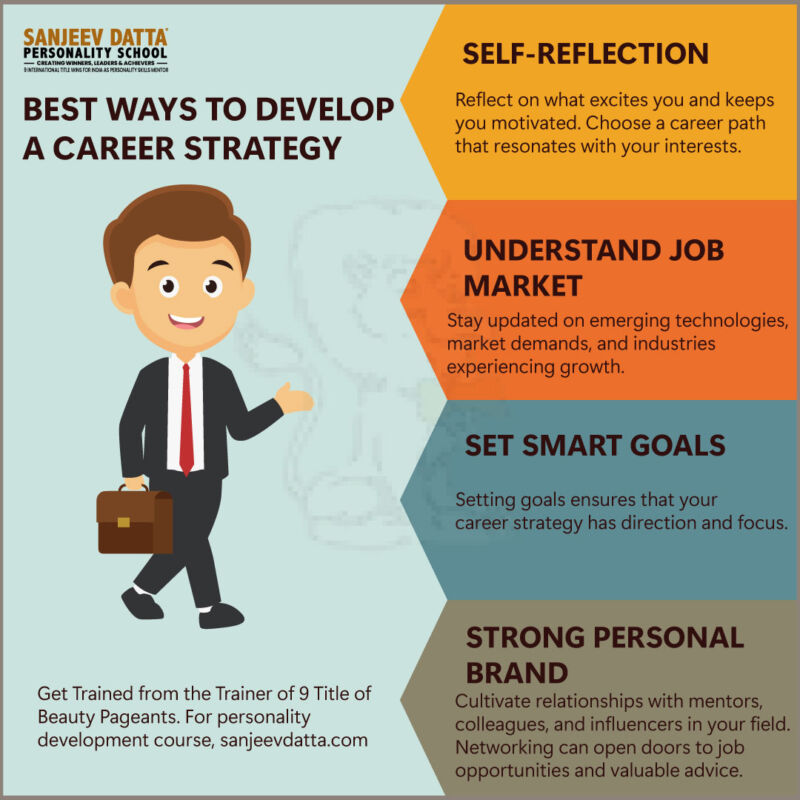
7. Goal Clarity and Self-Motivation
A surprising reason people sign up for personality development training is that they feel directionless despite outward success. They have the job, the salary, and the credentials — but no clear sense of where they’re going or why.
This training often includes modules on self-awareness, values clarification, and goal-setting frameworks that give professionals a sharper internal compass.
When you know what drives you and can articulate it, your focus sharpens, your decisions become more deliberate, and your career trajectory changes.
8. Networking With Purpose, Not Awkwardness
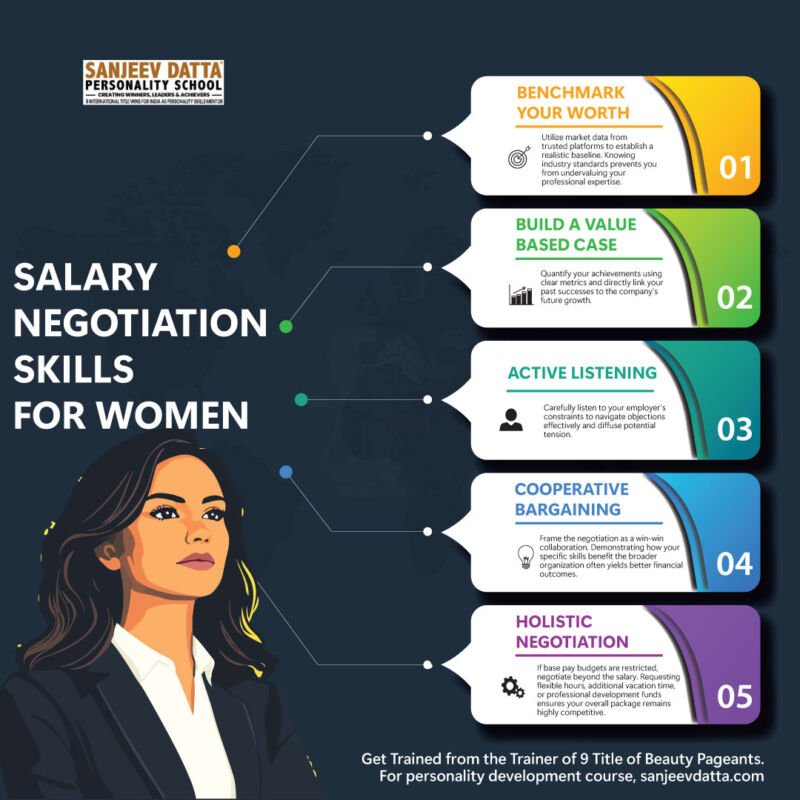
Networking is one of the highest-ROI activities in a professional’s career. Yet most people dread it because it feels transactional or uncomfortable.
Personality development training reframes networking as relationship-building — a skill rooted in genuine curiosity, clear self-introduction, and follow-through. You learn how to start conversations that matter, how to be memorable without being pushy, and how to build a network that genuinely opens doors.
If you’re ready to stop dreading networking events and start walking into them with a clear strategy and real confidence, our personality development training program is designed specifically for professionals who want results — not just theory.
9. Adaptability in Fast-Changing Environments
Industries are shifting faster than ever. Professionals who thrive are those who can adapt — not just technically, but mentally and interpersonally. They pivot without panic, accept feedback without shutting down, and embrace new roles without losing their footing.
Personality development training builds this adaptive capacity by strengthening self-awareness, resilience, and mental flexibility. It’s the kind of internal agility that makes you a valuable professional across roles and industries.
10. Becoming Promotable — Not Just Qualified
Here’s the uncomfortable truth: most people who get passed over for promotions are qualified. The deciding factor is often perception — how they’re seen by decision-makers, how they handle visibility, and whether they seem ready for the next level before they’re officially given it.
Personality development training directly addresses promotability. It helps professionals show up as the version of themselves that leadership wants to invest in — not through performance, but through genuine growth.
Who Benefits Most From Personality Development Training?
While anyone can benefit, the impact is particularly sharp for:
- Mid-level professionals aiming for senior or leadership roles
- Sales and client-facing professionals who need to influence without pressure
- Recent graduates entering competitive corporate environments
- Entrepreneurs who need to pitch, lead, and build trust simultaneously
- Managers transitioning into people leadership for the first time
Why Delhi Professionals Are Investing in This Now
Delhi’s professional landscape is dense and competitive. The city is home to thousands of equally qualified professionals across finance, tech, marketing, consulting, and beyond. In that environment, differentiation comes down to how you present, communicate, and lead.
A personality development course in Delhi gives you more than classroom training — it gives you a structured environment to practice real-world professional scenarios with expert guidance, peer feedback, and tools you can apply immediately.
The demand for such courses has grown significantly as companies prioritize soft skills alongside technical capabilities during hiring and appraisals.

How to Choose the Right Personality Development Program
Not all programs are equal. When evaluating your options, look for:
- Practical, scenario-based learning over lecture-heavy theory
- Certified trainers with real corporate or coaching backgrounds
- Small batch sizes that allow personalized feedback
- Modules that cover communication, emotional intelligence, leadership, and confidence-building
- Post-training support or alumni communities for continued growth
The best programs treat you as a whole professional — not just someone who needs to “speak better.”
FAQs
Q1. How long does personality development training typically take?
Programs range from intensive weekend workshops to structured 4–12 week courses. For sustainable behavioral change, longer programs with consistent practice tend to yield better results than one-time seminars.
Q2. Is personality development training only for introverts?
Absolutely not. Extroverts often discover they’re communicating loudly but not effectively. The training is about precision, emotional intelligence, and intentional presence — qualities that benefit every personality type.
Q3. Can personality development training help with job interviews?
Yes, significantly. Interview performance is a direct measure of communication confidence, self-presentation, and clarity of thought — all core outcomes of quality personality development training.
Q4. What’s the difference between a personality development course and a communication skills workshop?
Communication workshops focus primarily on verbal and written expression. Personality development training is broader — it addresses mindset, emotional regulation, body language, leadership behavior, and long-term professional identity.
Q5. How soon can I expect results after completing the training?
Many professionals report immediate shifts in confidence and communication clarity. Bigger behavioral changes—like emotional regulation under pressure or leadership presence—typically consolidate over 4–8 weeks of consistent practice post-training.
The Bottom Line
The reasons for personality development training aren’t abstract or philosophical—they’re directly tied to how fast you grow, how well you lead, and how clearly your professional value is seen by others. Technical skills get you to the table. Personality development keeps you there and moves you forward.
Key Takeaways
- Personality development training builds communication, confidence, and emotional intelligence as career tools—not just social niceties
- Leadership presence, conflict resolution, and adaptability are all trainable outcomes of quality programs
- Delhi professionals face intense competition, where soft skills increasingly determine promotability
- The right program combines practical scenarios, expert feedback, and self-awareness work
- Results are both immediate (confidence, clarity) and cumulative (leadership presence, network quality)