

Why executive presence? Because in most workplaces, being good at your job is not enough to be seen as ready for more responsibility. Executive presence is the combination of credibility, communication and composure that makes colleagues trust your judgment and want to follow your lead. For young professionals, it often decides who gets the visible project, the client meeting or the promotion conversation. This article explains what it is, why it matters, how it is built, and which popular beliefs about it are wrong.
What are executive presence and professional image?
Executive presence is the set of observable behaviours that signals you can be trusted with responsibility, especially under pressure. Professional image is one part of it: how your appearance, tone, written communication and conduct come across to others.
The two terms are related but not identical:
- Executive presence is about how others judge your readiness to lead, based on how you think, speak and respond.
- Professional image is the impression your visible and audible signals create (dress, grooming, email style, video-call setup, punctuality).
- Personal brand is the reputation that builds up when those impressions stay consistent over time.
Executive presence is not charisma, loudness or seniority. A first-year analyst who frames a problem clearly and stays calm when challenged shows more of it than a senior manager who dominates a room but cannot answer a direct question.
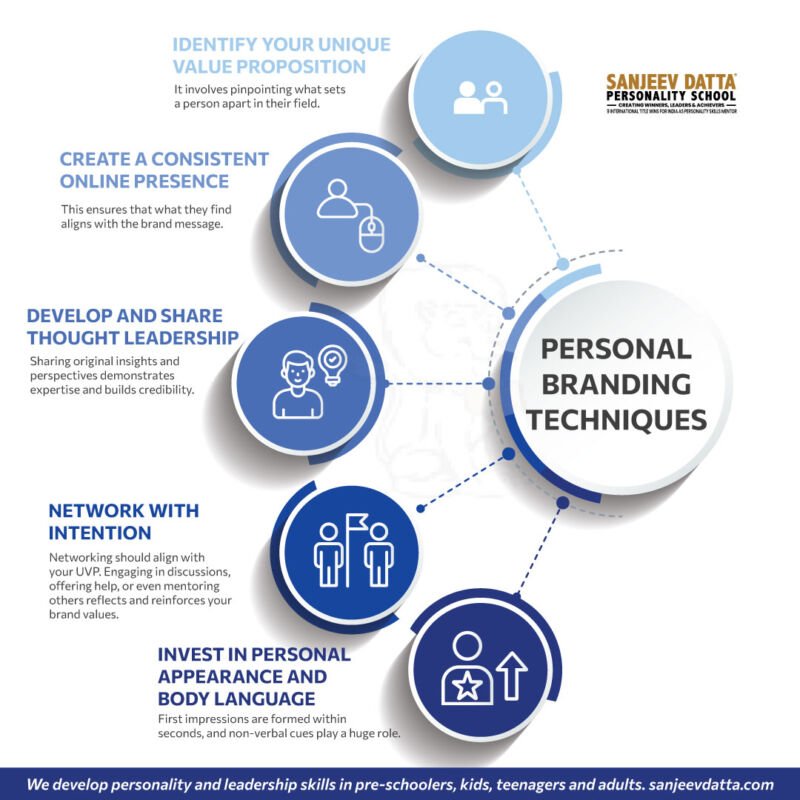
Why executive presence matters for young professionals
It matters because early-career decisions about who gets opportunities are made with limited information, so people rely on impressions. When managers have few data points about you, they use the signals available: how you communicate, whether you are prepared, how you handle questions.
It shapes how quickly people trust your work
Trust forms quickly and is hard to reverse. Research by Princeton psychologists Janine Willis and Alexander Todorov (2006) found that people form judgments about a face’s trustworthiness and competence within a tenth of a second. First impressions are not accurate, but they are persistent. Young professionals can’t rely on a long track record, so the early signals you send carry extra weight.
It affects who gets visibility and sponsorship
Senior people tend to back juniors they can picture in a bigger role. If you struggle to summarise your work in a meeting, or look visibly rattled by a tough question, a leader may hesitate to put you in front of a client. That is a perception gap, not a talent gap, and it can be closed.
It separates being competent from being seen as ready
Doing the work well gets you to the shortlist. Being seen as ready for the next level often decides the outcome. Executive presence is what makes your competence legible to people who don’t see your daily work.
What the data says: The Center for Talent Innovation (now Coqual), led by Sylvia Ann Hewlett, surveyed senior executives and reported that they attributed executive presence to three elements: gravitas (about 67%), communication (about 28%) and appearance (about 5%). This is the most widely cited framework on the topic. It comes from a survey of executives’ perceptions, not a measure of performance, so treat it as a guide to how leaders judge, not as proof of how careers work. Verify the figures against the original publication before quoting them (see sources below).
The three components of executive presence
Executive presence has three practical components: gravitas, communication and appearance. Here is what each means in daily work.
| Component | What it looks like | Example for a young professional |
|---|---|---|
| Gravitas | Composure, decisiveness, integrity, depth of knowledge | Staying steady when a client disagrees; saying “I don’t know, I’ll confirm by 5 pm” instead of bluffing |
| Communication | Clarity, brevity, listening, tone, writing | Opening a status update with the conclusion, then the detail |
| Appearance | Grooming and dress suited to the context | Dressing at or slightly above the standard of the audience you’re meeting |
-
Gravitas
Gravitas is the hardest to fake and the most valuable. It comes from preparation, honesty about what you don’t know, and calm behaviour when stakes rise. Most of it is built by habit, not personality.
2. Communication
Good communication at work means being easy to follow. Lead with the point, support it with two or three facts, state the decision or ask. Long preambles signal anxiety, not thoroughness. Listening also counts: restating a colleague’s concern before responding shows control and respect.
3. Appearance
Appearance is the smallest factor in the CTI findings but the easiest to fix, which is why it gets too much attention. Its job is to avoid creating a distraction. It does not need to be expensive or formal. It needs to fit your industry, your audience and the occasion.
emotional intelligence training for managers
Common myths about executive presence
Several popular beliefs about executive presence are inaccurate or exaggerated.
- Myth: “55% of communication is body language.” This misuses a 1960s study by Albert Mehrabian, which covered feelings and attitudes in specific, ambiguous situations. It does not apply to workplace communication in general. Content still matters most.
- Myth: “Power posing will make you confident.” Amy Cuddy’s 2010 study on power poses made this famous, but later replication attempts failed to reproduce the hormonal effects. Posture may still affect how you feel or are perceived, but it is no substitute for preparation.
- Myth: “You need to be an extrovert.” Calm, well-prepared introverts often show strong gravitas. Presence is about clarity and composure, not volume.
- Myth: “Expensive clothes create presence.” Fit, cleanliness and appropriateness matter more than brand or price.
- Myth: “Fluent, accented English is the same as presence.” Clarity, structure and confidence matter more than accent. This is especially relevant in India’s multilingual workplaces.
Executive presence in Indian workplaces
In India, executive presence often involves balancing respect for hierarchy with the need to speak up. The following points are practical observations, not research findings, so adapt them to your organisation.
- In many Indian companies, juniors defer to seniors in meetings. Presence here means contributing a concise, well-prepared view at the right moment, not staying silent or interrupting.
- Many young professionals are fluent in several languages but less comfortable speaking English in formal settings. Practising structured delivery (point, reason, ask) helps more than trying to change an accent.
- Client-facing roles in IT services, consulting, BFSI and global capability centres often involve calls with international teams. Clear pacing, a quiet background and working audio are part of professional image.
- Dress norms vary widely by sector and city. Observe what leaders in your company wear to client meetings and match that standard.

How to build executive presence: a 30-day starter plan
You can build executive presence through deliberate daily habits, not personality change. This plan is a practical starting point.
Week 1: Audit your signals
1. Record yourself giving a two-minute work update. Note filler words, pace and eye contact.
2. Ask one trusted colleague: “What is one thing that would make my updates clearer?”
3. Check your video-call setup: camera at eye level, lighting on your face, minimal background noise.
Week 2: Fix structure
1. For every update, use this order: conclusion, two supporting points, next step.
2. Rewrite your three most recent important emails to cut them by a third.
3. Prepare one question to ask in each meeting you attend.
Week 3: Build composure
1. Practise pausing for two seconds before answering difficult questions.
2. Use the phrase “Let me confirm and get back to you” instead of guessing.
3. Notice your response to criticism. Ask a clarifying question before reacting.
Week 4: Increase visibility
1. Volunteer to present one item in a team meeting.
2. Share a short summary of a completed project with your manager.
3. Request feedback again and compare it with Week 1.
Building these personality development skills is mostly about repetition: communication, composure, listening and self-awareness all improve with feedback and practice. If you want these skills built faster and with expert feedback, a structured personality development skills programme gives you guided practice and a clear benchmark instead of guesswork.

Who benefits most, and who may not need this
Executive presence is most useful for people entering client-facing, leadership-track or high-visibility roles. That includes graduates in their first jobs, junior managers, consultants, sales and marketing professionals, and anyone preparing for interviews or promotion discussions.
It is less of a priority if your role involves almost no collaboration or stakeholder contact and your performance is measured purely by output. Even then, it helps once you aim for a lead role.
Limitations to keep in mind:
- Presence does not replace competence. Poor work with a polished delivery eventually damages credibility.
- Perception can be biased. Some workplaces reward styles that favour certain groups. Build your presence, but also seek managers who judge on results.
- No single behaviour guarantees promotion.
Common mistakes young professionals make
- Over-explaining. Long answers signal uncertainty.
- Bluffing. One caught bluff costs more trust than ten honest “I don’t know” answers.
- Copying someone else’s style. Inauthentic behaviour is easy to spot. Adapt, don’t imitate.
- Neglecting written communication. Emails and chat messages create a professional image as much as meetings do.
- Ignoring feedback. Presence improves fastest when you ask for specific input and act on it.
When is personality development training worth it?
Personality development training is worth considering when you have identified specific gaps (for example, presentations, meeting confidence or interview performance) and want structured practice with feedback. Self-study works for many people, but a good programme adds three things books can’t: live practice, objective feedback and accountability.
When comparing options, check for:
1. Practical exercises such as role-plays, recorded presentations and mock interviews, not only lectures.
2. Individual feedback from a trainer with relevant corporate or coaching experience.
3. Clear outcomes (what you will be able to do after the programme) instead of vague promises.
4. Fit with your context, including your industry, language and level.
5. Transparent pricing and duration. Verify these on the provider’s own page, as costs vary widely.
If you are a young professional ready to turn these ideas into visible results, our personality development training gives you structured practice, expert feedback and a clear roadmap for your first leadership steps.
Key Takeaways
- Executive presence is the combination of gravitas, communication and appearance that signals you are ready for more responsibility.
- Executives surveyed by the Center for Talent Innovation ranked gravitas far above appearance as the main driver (verify the figures at the original source).
- It matters most early in a career, when people have limited information about you and rely on impressions.
- It can be built through structured updates, composure habits, written clarity and regular feedback.
- Common myths (the 55% body-language claim, power posing, extroversion) should not guide your development.
- Presence supports, but never replaces, strong work.
CLICK FOR MORE
Frequently Asked Questions
Why executive presence matters for young professionals?
Early in your career, managers have limited evidence of your ability, so they rely on impressions of your clarity, composure and credibility. Executive presence makes your competence visible and helps you earn visibility, trust and opportunities faster.
Can executive presence be learned?
Yes. It is a set of behaviours: structuring your thinking, speaking concisely, staying composed under pressure and presenting yourself appropriately. These improve with practice and feedback, regardless of personality type.
Is executive presence the same as confidence?
No. Confidence is a feeling. Executive presence is how others perceive your credibility and composure. You can feel nervous and still show presence if you are prepared and communicate clearly.
How long does it take to build executive presence?
Noticeable improvement in meetings and presentations can appear within weeks of deliberate practice. A consistent reputation usually takes months, because it depends on repeated impressions.
Does professional image matter more than skills?
No. Skills and results come first. Professional image ensures your skills are not undermined by avoidable distractions, and appearance was the smallest factor in the CTI executive survey.
What are the key personality development skills for professionals?
The most useful are clear communication, active listening, emotional regulation, time management, self-awareness and the ability to give and receive feedback. These support executive presence directly.
Is personality development training worth it for freshers?
It can be, if it includes practical exercises, individual feedback and relevant outcomes. It is less useful if it is purely theoretical. Define your goal first, such as interviews, presentations or client calls, then pick a programme that targets it.
Do introverts have executive presence?
Yes. Presence depends on clarity, preparation and composure, not on being talkative. Many introverts excel at listening and thoughtful, concise responses, which strongly signal gravitas.