

India’s education and career-training landscape is going through a quiet revolution. Classrooms are no longer confined to four walls, and learning is no longer restricted to a fixed timetable. Over the last few years, hybrid learning—a blend of in-person and online instruction—has moved from being a pandemic-era workaround to becoming a permanent, preferred model for millions of young Indians. For today’s youth, this shift is not just about convenience; it is fundamentally redefining skill development across the country.
From coding bootcamps to communication workshops, from competitive exam coaching to confidence-building programs, hybrid learning is reshaping how young people acquire the skills they need to thrive in a competitive, fast-changing job market. This blog explores why hybrid learning is gaining momentum, how it is transforming skill development in India, and what it means for the career prospects of today’s youth.
What Exactly Is Hybrid Learning?
Hybrid learning combines the best of two worlds: the structure, discipline, and personal interaction of traditional classroom teaching, along with the flexibility, accessibility, and technology-driven tools of online education. A student might attend live sessions with a mentor twice a week while completing self-paced modules, quizzes, and projects online during the rest of the time.
Unlike a purely online course, hybrid learning retains face-to-face mentorship, group activities, and real-time feedback—elements that are critical for building confidence and practical ability. Unlike a fully offline program, it also offers recorded sessions, digital resources, and the freedom to learn at one’s own pace, which suits India’s diverse and geographically spread-out youth population.
Why Hybrid Learning Is Redefining Skill Development in India
India has one of the largest youth populations in the world, and the demand for practical, job-ready skills has never been higher. Traditional education systems, focused heavily on rote learning and theoretical knowledge, often fall short of preparing students for real-world challenges. This is exactly where hybrid learning is stepping in and redefining skill development for a new generation.
Here’s how:
1. Bridging the Urban-Rural Divide
Quality skill-development programs were once concentrated in metro cities. Hybrid learning has changed that. A student in a small town in Bihar or Madhya Pradesh can now access the same expert-led sessions as someone in Mumbai or Bengaluru, simply by logging in online, while still benefiting from occasional in-person workshops or local mentorship hubs.
2. Personalized Learning Paths
Every learner is different. Hybrid models allow instructors to track individual progress through digital dashboards and then use in-person sessions to focus on areas where a student genuinely needs help—whether that’s problem-solving, technical skills, or interview readiness.
3. Real-World, Industry-Relevant Skills
Hybrid programs are often designed in collaboration with industry experts, ensuring that what’s being taught—from digital marketing to leadership training—actually matches what employers are looking for today, not what was relevant a decade ago.
4. Cost and Time Efficiency
Commuting to a physical training center every day is time-consuming and, for many families, expensive. Hybrid learning cuts down on travel time and often reduces overall costs, making quality skill development more accessible to middle-class and lower-income households across India.
The Soft Skills Gap in Traditional Education
While technical skills like coding, data analysis, or digital marketing often get the spotlight, employers and mentors increasingly agree that soft skills—confidence, body language, communication, and emotional intelligence—are just as critical, sometimes even more so, for long-term career success. Many bright, capable students still lose out on opportunities simply because they were never taught how to present themselves in a room, an interview, or on a stage.
This is one of the biggest gaps traditional education has failed to close, and it’s a gap hybrid learning is particularly well-suited to fill, since it can pair theory delivered online with real, human practice in person.

Turning Knowledge Into Confidence
This is where structured personality development classes come in. Hybrid platforms can teach the frameworks—public speaking techniques, etiquette, grooming, and communication strategies—through short online modules, while live or in-person sessions give students a safe space to practice, role-play, and receive real-time feedback from trainers and peers.
If you’ve ever felt like you know the answers but freeze up when it’s time to speak in front of people or watched a less-qualified peer get ahead simply because they carried themselves with more confidence, it’s worth asking: is your talent really the problem, or is it how you present it? Enrolling in a structured personality development class today could be one of the most impactful career decisions you make this year—because in every interview, client meeting, and networking event, how you communicate often matters as much as what you know. The right program doesn’t just polish your speech; it changes how you carry yourself in every room you walk into.
Key Skills Today’s Youth Should Focus On
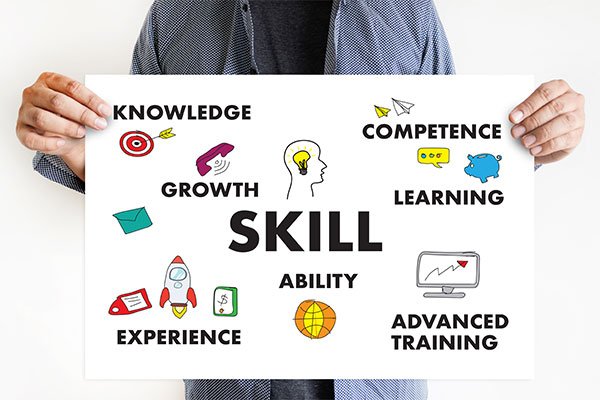
With hybrid learning opening up so many avenues, it helps to know which skills are genuinely worth investing time in. Based on current hiring trends and career development research, here are areas Indian youth should prioritize:
- Communication and public speaking—essential across every industry, from sales to software engineering
- Digital literacy and basic tech skills—including familiarity with productivity tools, data handling, and emerging AI tools
- Critical thinking and problem-solving—the ability to analyze situations and propose solutions independently
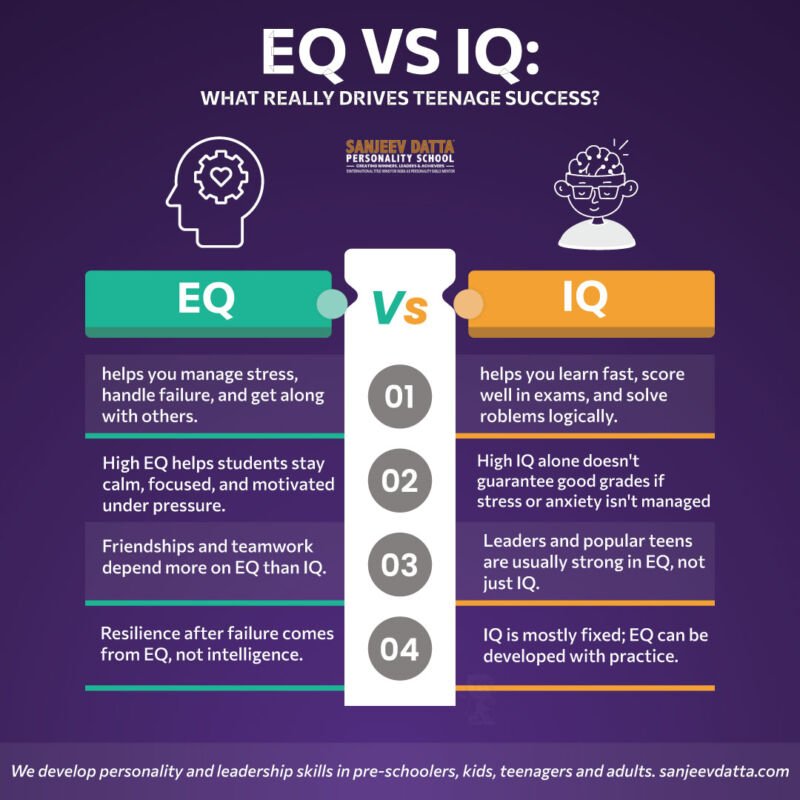
- Emotional intelligence—understanding and managing one’s own emotions while empathizing with others
- Adaptability—thriving amid constant change, especially as industries evolve rapidly
- Leadership and teamwork—increasingly valued even at entry-level positions
- Personal branding and networking—knowing how to present yourself, both online and offline
Hybrid learning environments are particularly effective at building these skills because they combine theoretical understanding (via online content) with practical application (via live sessions, group discussions, and mentorship).
How Hybrid Learning Supports Career Development
From a career development standpoint, hybrid learning offers several distinct advantages over purely traditional or purely online models.
Mentorship access:
Many hybrid programs connect students directly with industry professionals for live Q&A sessions, mock interviews, and career guidance—something that’s harder to replicate in a fully self-paced online course.
Portfolio and project-based learning:
Because hybrid courses often blend online assignments with in-person project reviews, students graduate with tangible portfolios—whether that’s a set of case studies, a coding project, or a recorded presentation—that they can showcase to employers.
Networking opportunities:
In-person sessions, even if occasional, allow students to build real relationships with peers and mentors, which often translates into referrals, internships, and job opportunities down the line.
Flexibility without isolation:
Purely online learning can sometimes feel isolating, leading to lower completion rates. Hybrid models counter this by ensuring students still have regular human interaction, which improves motivation and accountability.
Continuous upskilling:
Because hybrid formats are often modular, working professionals and students alike can continue upskilling without having to pause their jobs or studies entirely.
Challenges of Hybrid Learning—and How to Overcome Them
No system is without its challenges, and hybrid learning is no exception.
Digital access gaps:
Not every student has reliable internet or a personal device. Many hybrid learning providers are addressing this by partnering with local community centers or offering offline-compatible content.
Self-discipline requirements:
The flexibility of online components can be a double-edged sword for students who struggle with time management. Good hybrid programs counter this with structured schedules, reminders, and accountability check-ins during live sessions.
Instructor training:
Not all educators are equally comfortable teaching in a hybrid format. Institutions investing in hybrid learning need to also invest in training their instructors to manage both digital and physical classroom dynamics effectively.
Why It Pays to Start Early: Personality Development for Kids
Skill development doesn’t have to start in college or after graduation. Increasingly, Indian parents are recognizing the value of personality development for kids, understanding that traits like confidence, empathy, discipline, and communication are far easier to nurture at a young age than to correct later in life.
Hybrid learning has made these programs more accessible for children too. A child might join a weekend in-person group session for team-building and public speaking practice while completing fun, interactive online modules on emotional intelligence, storytelling, or leadership during the week. This combination keeps children engaged without overwhelming their—or their parents’—schedules, and it also addresses a common parental concern around excessive screen time by keeping most active learning offline.
Every parent wants their child to walk into a classroom, a stage, or a new social setting without hesitation. A well-structured personality development for kids program can be the difference between a child who shies away from opportunities and one who confidently raises their hand, leads a group project, or speaks up in a new environment—skills that compound over the years and shape not just careers but entire personalities. Investing in this early isn’t an indulgence; it’s laying the groundwork for the confident, articulate professional your child will one day become.
The Future of Hybrid Learning in India
As internet penetration continues to grow across India’s tier-2 and tier-3 cities, and as more parents and young professionals recognize the value of practical, skills-based education, hybrid learning is poised to become the default model—not the alternative—for skill development.
Educational institutions, ed-tech startups, and independent trainers are already innovating with AI-powered personalization, gamified learning modules, and hyper-local in-person meetups to make hybrid education even more effective. For India’s youth, this means more accessible, more relevant, and more career-aligned skill development than ever before.
The organizations and individuals who recognize this shift early and adapt their learning strategies accordingly will be the ones best positioned to take advantage of India’s evolving job market.
how peer pressure affects career choices
Conclusion
Hybrid learning is not a passing trend; it is fundamentally redefining skill development in India by making quality education more accessible, personalized, and industry-relevant. Whether it’s a young professional strengthening their confidence through personality development classes, or a parent investing early in personality development for kids to build lifelong self-assurance, hybrid learning offers a practical, flexible path forward.
For India’s youth, the message is clear: the tools, mentors, and opportunities to build a successful, well-rounded career are more accessible than ever. The only question is whether you’re ready to take that first step.
Frequently Asked Questions (FAQs)
1. What is hybrid learning, and how is it different from online learning?
Hybrid learning combines in-person classroom sessions with online, self-paced content. Unlike purely online learning, it retains face-to-face mentorship and real-time practice, which are especially valuable for building communication and confidence.
2. How is hybrid learning redefining skill development in India?
It’s making quality, industry-relevant training accessible beyond metro cities, offering personalized learning paths, reducing costs, and combining theoretical knowledge with practical, mentor-led application.
3. At what age should a child start personality development classes?
Many experts suggest starting as early as 6-8 years old, since traits like confidence, communication, and emotional intelligence are easier to build during formative years. However, it’s never too late to begin at any age.
4. Are personality development classes only for students who lack confidence?
No. Even high-achieving students and working professionals join these classes to sharpen communication, leadership presence, and interview skills—confidence-building is an ongoing process, not a one-time fix.
5. Is hybrid learning suitable for students in smaller towns and rural areas?
Yes. In fact, hybrid learning is one of the biggest enablers of access for students outside major cities, since it removes the need to relocate or commute long distances for quality training.
6. How can parents choose the right personality development program for kids?
Look for programs that balance interactive online content with hands-on, in-person practice, have qualified trainers, keep screen time limited and purposeful, and offer visible progress tracking for parents.