
Ever walked away from a conversation wishing you’d said something different? Or sat in a meeting frozen, unable to articulate the brilliant idea in your head? You’re not alone. Millions of people struggle with communication—not because they lack intelligence or have nothing valuable to say, but because they’ve never been trained in the art of expressing themselves effectively. Here’s something most people don’t realize: great communicators aren’t born, they’re built. And one of the most powerful yet underutilized tools for building exceptional communication skills is debate training.
Now, before you picture stuffy politicians arguing over policy or high school students in formal suits, let me stop you. The role of debate training in modern communication development goes far beyond competitive debating. It’s about learning to think on your feet, articulate complex ideas clearly, listen actively, construct logical arguments, and speak with confidence—skills that transform every area of your life, from job interviews to dinner conversations.
Whether you’re a professional looking to advance your career, a student wanting to excel academically, or simply someone who wants to communicate more effectively in daily life, understanding how debate training enhances communication skills could be the game-changer you’ve been looking for.
In this comprehensive guide, we’re diving deep into why debate training is such a powerful communication development tool, how it works, and most importantly, how you can start applying these principles today to become a more confident, persuasive, and articulate communicator.
What Exactly Is Debate Training?
Before we explore the transformative benefits, let’s clarify what we mean by debate training. It’s not just about winning arguments or proving people wrong (though that’s a common misconception).
Debate training is a structured approach to developing the skills needed to present ideas persuasively, defend positions logically, anticipate counterarguments, and engage in productive disagreement. It teaches you to analyze issues from multiple perspectives, construct coherent arguments backed by evidence, and communicate those arguments clearly under pressure.
The beauty of the role of debate training is that it combines multiple communication disciplines into one practical package: public speaking, critical thinking, active listening, research skills, emotional regulation, and persuasive rhetoric.
Think of it as a communication gym—a place where you strengthen mental muscles that make every type of communication easier and more effective.
How Debate Training Transforms Your Communication Skills?
1. Building Unshakeable Confidence
Let’s start with the elephant in the room: confidence. Or rather, the lack of it. Communication anxiety affects up to 75% of people to some degree. That knot in your stomach before presentations? The racing heart during important conversations? Totally normal, but totally trainable.
The role of debate training in building confidence is profound. Here’s why: debate forces you into uncomfortable communication situations repeatedly, in a controlled environment where failure is expected, and learning is the goal.
You learn to speak in front of others even when you’re nervous. You practice defending ideas even when you’re uncertain. You experience disagreement without taking it personally. Over time, these repeated exposures rewire your brain’s response to communication pressure.
What once felt terrifying becomes manageable. Then comfortable. Eventually, even energizing.
The confidence you gain isn’t the fake-it-till-you-make-it kind. It’s genuine confidence rooted in competence—you know you can handle challenging communication situations because you’ve done it dozens or hundreds of times before.
2. Sharpening Critical Thinking and Analysis
Here’s something interesting: effective communication isn’t just about how you speak—it’s fundamentally about how you think. You can’t explain something clearly if you haven’t thought it through clearly first.
Debate training turns you into a better thinker by forcing you to:
- Analyze complex issues from multiple angles – You can’t just understand your own position; you need to understand opposing viewpoints deeply enough to anticipate and counter them.
- Identify logical fallacies – Both in others’ arguments and, more importantly, in your own thinking. This prevents you from making weak arguments that fall apart under scrutiny.
- Evaluate evidence quality – Not all facts are created equal. Debate teaches you to distinguish between strong evidence and weak claims, between credible sources and questionable ones.
- Synthesize information quickly – In debates, you often receive new information mid-argument and must incorporate it into your thinking in real-time. This trains rapid cognitive processing that’s invaluable in fast-moving conversations.
When you develop these critical thinking skills through debate training, your everyday communication becomes sharper, more logical, and more convincing. People listen when you speak because what you say actually makes sense.
why body language for career growth
3. Mastering the Art of Persuasion
Let’s be honest: much of communication is about persuasion. Convincing your team to adopt your strategy. Persuading a potential employer that you’re the right hire. Getting your teenager to understand why curfews matter. Inspiring your colleagues to support your initiative.
Debate training is essentially a persuasion boot camp. You learn the ancient art of rhetoric—how to structure arguments for maximum impact, how to appeal to logic (logos), emotion (pathos), and credibility (ethos), and how to adapt your message based on your audience.
But here’s what makes debate training special: you learn persuasion through practice, not theory. You discover what works and what doesn’t by trying techniques in real situations and getting immediate feedback.
You learn that certain phrases open minds while others close them. Those stories often persuade more effectively than statistics (though statistics have their place). That acknowledging valid counterarguments actually strengthens your position rather than weakening it.
These persuasion skills transfer seamlessly to every communication context. Suddenly, you’re more effective in negotiations, more convincing in presentations, and more influential in everyday conversations.
4. Developing Active Listening Skills
Here’s a counterintuitive truth: debate training makes you a better listener. Wait, what? Isn’t the debate about talking, not listening?
Actually, no. The best debaters are exceptional listeners because they understand a crucial principle: you can’t effectively counter an argument you haven’t fully understood.
The role of debate training in developing listening skills is often overlooked, but it’s transformative:
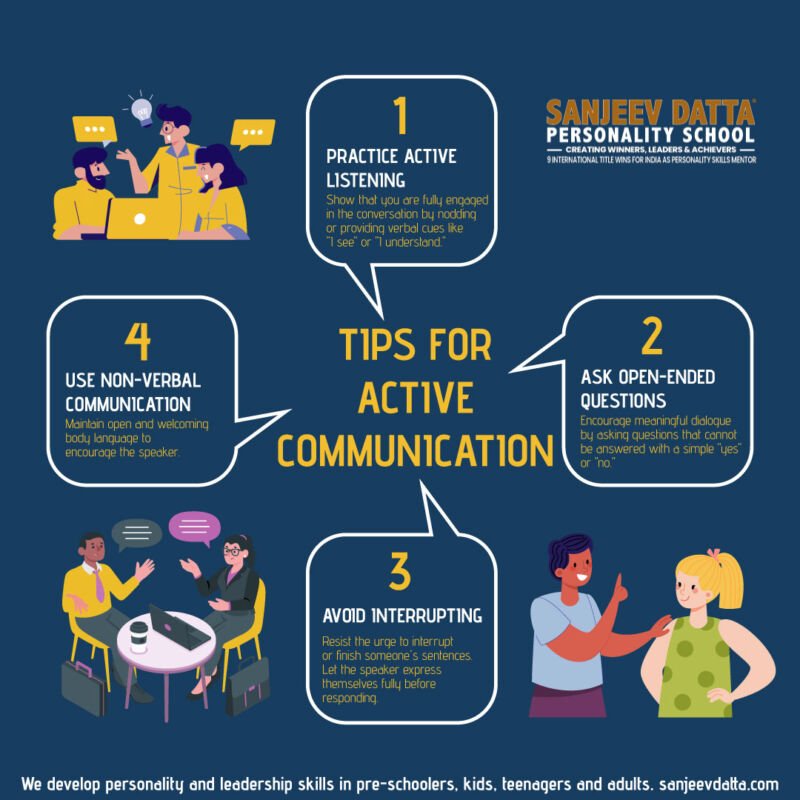
- Listening for understanding, not just response – In debate, you’re trained to genuinely comprehend your opponent’s argument, not just wait for your turn to talk. This requires deep, active listening.
- Identifying unstated assumptions – Great listening means hearing not just what’s said, but what’s implied. Debate sharpens this skill dramatically.
- Asking clarifying questions – Instead of assuming you understand, you learn to verify by asking targeted questions that reveal the core of someone’s position.
- Reading non-verbal cues – Body language, tone, pacing—all these communicate as much as words. Debate training heightens your sensitivity to these signals.
When you become a better listener, something magical happens to your communication: people want to talk to you. They feel heard, understood, and valued. This creates connection, builds trust, and makes you far more effective in every type of communication.
5. Learning to Think and Speak Simultaneously Under Pressure
Ever frozen during a Q&A session? Struggled to answer an unexpected interview question? Felt tongue-tied during an important conversation?
One of the most valuable aspects of the role of debate training is teaching you to think clearly and speak articulately even under pressure. In debates, you don’t have the luxury of going silent for five minutes while you formulate the perfect response. You need to process information, construct a response, and deliver it confidently—all in real-time.
This trains what psychologists call “cognitive flexibility”—the ability to adapt your thinking quickly when situations change. It’s like developing mental reflexes.
Through repeated practice, your brain gets faster at:
- Processing what you’ve just heard
- Connecting it to relevant knowledge you already have
- Constructing a coherent response
- Delivering that response clearly and confidently
This skill is pure gold in professional settings. Job interviews become easier. Client meetings feel less stressful. Difficult conversations at work become manageable. You become the person who can handle curveballs gracefully.
6. Structuring Thoughts for Maximum Clarity
Have you ever listened to someone talk and thought, “I have no idea what point they’re trying to make”? Or worse, have you been that person?
Clear communication requires a clear structure. Rambling thoughts lead to rambling speech. Organized thinking leads to organized communication.
Debate training drills structure into your communication DNA. You learn frameworks like:
- Claim-Evidence-Reasoning – State your point, support it with proof, explain why the proof matters
- Problem-Solution-Benefit – Identify an issue, propose a fix, and show the positive outcomes
- Chronological organization – Present information in time-based sequence when appropriate
- Priority-based organization – Lead with the most important points
Once these structures become second nature, your everyday communication becomes dramatically clearer. Emails get shorter and more effective. Presentations become easier to follow. Conversations stay on track instead of wandering.
People understand you better because you’re giving them information in a logical, digestible format. This reduces miscommunication and makes you more effective in virtually every interaction.
The Connection to Broader Personality Development
Now, here’s where things get really interesting. The role of debate training extends far beyond just communication skills—it’s actually a powerful tool for comprehensive personal development.
When you engage in debate training, you’re developing what we call personality development skills that impact every area of your life:
- Emotional intelligence – Learning to manage your emotions during heated discussions, read others’ emotional states, and respond appropriately
- Resilience – Handling criticism and setbacks without crumbling, bouncing back from arguments you lose
- Empathy – Understanding perspectives radically different from your own, seeing validity in opposing viewpoints
- Self-awareness – Recognizing your communication weaknesses, understanding your triggers, and knowing your strengths
- Adaptability – Adjusting your approach based on audience, context, and feedback
These personality development skills aren’t just nice-to-haves—they’re the foundation of personal and professional success. They determine how you handle conflict, navigate relationships, lead teams, and overcome challenges.
Many people invest in various forms of personal development but overlook debate training as a comprehensive development tool. Yet it simultaneously builds multiple crucial skills that would otherwise require separate training programs.

Real-World Applications: Where Debate Skills Matter
Let’s get practical. How exactly does debate training translate to real-world communication success?
In Your Career
- Job Interviews: Debate training teaches you to answer unexpected questions confidently, structure responses clearly using the STAR method (Situation, Task, Action, Result), and persuasively communicate your value.
Presentations: You learn to organize information logically, anticipate questions, handle challenges gracefully, and adjust your delivery based on audience reactions. - Negotiations: Whether you’re negotiating salary, contracts, or project terms, debate skills help you advocate for yourself effectively while understanding the other party’s position.
- Leadership: Leaders must communicate vision, persuade teams, resolve conflicts, and make decisions under pressure—all core debate skills.
In Your Personal Life
- Relationships: Debate training helps you disagree productively, express needs clearly, listen actively to your partner, and navigate conflicts without destroying the connection.
- Parenting: Explaining rules, negotiating boundaries, teaching critical thinking, and modeling respectful disagreement all benefit from debate skills.
- Social Situations: Whether it’s casual conversation or discussing complex topics, debate training makes you more articulate, interesting, and confident in social settings.
In Academic Settings
- Class Participation: Debate skills make it easier to contribute meaningfully to discussions, ask insightful questions, and engage with course material critically.
- Presentations and Defenses: From book reports to thesis defenses, debate training prepares you to present ideas clearly and handle questioning confidently.
- Study Groups: Leading discussions, explaining concepts to peers, and engaging in academic debate all benefit from formal debate training.

How to Start Developing Debate Skills?
Convinced that debate training could benefit you? Great! Here’s how to actually start developing these skills.
- Join a Debate Club or Toastmasters
The most direct path is joining an organized group. Many cities have debate clubs, Toastmasters chapters, or public speaking groups where you can practice in a supportive environment.
These groups offer structured learning, regular practice opportunities, constructive feedback, and a community of people on similar journeys.
- Take a Structured Course
If you’re serious about comprehensive development, consider enrolling in a personality development course that includes debate training as a core component. The best courses don’t just teach debate in isolation—they show you how debate skills connect to broader communication competencies, emotional intelligence, and professional effectiveness.
A quality personality development course integrates debate training with other crucial skills like body language awareness, voice modulation, storytelling techniques, and conflict resolution strategies. This holistic approach accelerates your development and ensures you’re not just a good debater, but a well-rounded, effective communicator.
Look for courses that offer both theoretical frameworks and practical application—you need to actually practice debating, not just learn about it.

Practice in Daily Life
You don’t need a formal setting to start building debate skills. Create opportunities in everyday life:
- Play devil’s advocate – When discussing topics with friends, try arguing the opposite position to strengthen your ability to see multiple perspectives
- Engage with challenging content – Read opinion pieces you disagree with and mentally construct counterarguments
- Practice structured responses – When someone asks your opinion, consciously structure your answer: claim, evidence, reasoning
- Seek out respectful disagreement – Find people who think differently and engage in thoughtful discussion (not heated arguments)
Consume Quality Debate Content
Watch professional debates, listen to podcasts featuring respectful disagreement, and analyze how skilled communicators structure arguments and respond to challenges.
Pay attention to what works: how they concede small points to strengthen larger ones, how they use analogies to clarify complex ideas, how they maintain composure under pressure.
Then try incorporating those techniques into your own communication.
Underrated soft skills recruiters value
Common Misconceptions About Debate Training
Let’s clear up some myths that might be holding you back:
Myth 1: “Debate is just about winning arguments”
Reality: Good debate is about exploring truth, understanding perspectives, and finding better solutions. It’s collaborative thinking through respectful disagreement.
Myth 2: “I’m too introverted for debate”
Reality: Some of the best debaters are introverts. Debate rewards careful thinking and preparation—traits introverts often excel at.
Myth 3: “Debate makes you argumentative and disagreeable”
Reality: Proper debate training actually makes you more empathetic and better at finding common ground because you learn to understand opposing viewpoints deeply.
Myth 4: “You need to be naturally outgoing and confident”
Reality: Confidence is built through practice, not inherited. Debate training is specifically designed to build confidence in people who don’t have it yet.
Myth 5: “Debate is only useful in academic or political contexts”
Reality: The communication skills you develop transfer to every area of life—career, relationships, parenting, social situations, and personal growth.
The Long-Term Benefits: Compound Growth
Here’s the beautiful thing about investing in debate training and communication development: the benefits compound over time.
At first, you might just notice you’re slightly more confident in meetings. Then you start winning negotiations you would have lost before.
Your presentations get better feedback. People start coming to you for advice because you communicate clearly. You get promoted because your boss recognizes your leadership communication abilities.
Years down the line, you look back and realize that learning to communicate effectively—which started with debate training—fundamentally changed the trajectory of your life.
Better communication leads to:
- Stronger professional relationships that create career opportunities
- More effective leadership that enables bigger responsibilities
- Deeper personal relationships built on clear, honest communication
- Greater influence in your community and industry
- Increased confidence that enables you to take beneficial risks
- Enhanced ability to learn and teach, accelerating growth in all areas
The role of debate training isn’t just about speaking better in the moment. It’s about building a foundation of communication excellence that creates opportunities and advantages throughout your entire life.
Taking the Next Step
If you’ve read this far, you’re probably convinced that developing your communication skills through debate training could benefit you. The question now is: what’s your next move?
Start small. You don’t need to completely overhaul your life or immediately join a competitive debate team. Begin with one action:
- Research debate clubs or speaking groups in your area
- Watch a few professional debates online and analyze the techniques used
- Practice structuring your responses in daily conversations using claim-evidence-reasoning
- Have a respectful debate with a friend about a topic you disagree on
- Sign up for a workshop or course that includes communication training
The point isn’t perfection—it’s progress. Every conversation where you consciously apply these principles is practice. Every time you structure your thoughts before speaking, you’re building the skill. Every moment you listen actively instead of just waiting to talk, you’re growing.
Communication skills, like any other skill, improve with deliberate practice. The good news? You have countless opportunities to practice every single day. Every interaction is a chance to apply what you’re learning.
The Bottom Line: Communication Is Your Superpower
In a world increasingly driven by connection, influence, and collaboration, communication isn’t just another skill—it’s the skill that enables all others.
The role of debate training in developing exceptional communication abilities cannot be overstated. It’s one of the most efficient ways to simultaneously build confidence, critical thinking, persuasion, active listening, and structured articulation.
These aren’t just professional skills or academic exercises. They’re life skills that impact every conversation you have, every relationship you build, and every goal you pursue.
The best communicators in the world—whether they’re business leaders, educators, parents, or friends—often have one thing in common: they’ve learned to think clearly, speak confidently, listen actively, and persuade effectively. Many developed these abilities through formal or informal debate training.
Your journey to becoming an exceptional communicator can start today. Not tomorrow, not when you feel ready, not when you’re less busy—today. Because every day you wait is another day of missed opportunities to connect more deeply, influence more effectively, and achieve more of what you want in life.
The question isn’t whether improving your communication skills would benefit you. The question is: are you ready to invest in becoming the clear, confident, persuasive communicator you’re capable of being?
Your voice matters. Your ideas deserve to be heard. Debate training can give you the skills to ensure they are.
FAQ SECTION
Q: Do I need any prior experience to start debate training?
A: Absolutely not. Debate training is designed for beginners and welcomes people at all skill levels. Most debate clubs and courses specifically cater to newcomers with foundational training. You don’t need to be naturally outgoing or already confident—those qualities develop through the training itself. Everyone starts somewhere, and the supportive environment of most debate programs makes it easy to begin your journey regardless of your current communication abilities.
Q: How long does it take to see improvement in communication skills through debate training?
A: Most people notice initial improvements within 4-6 weeks of consistent practice—increased confidence in speaking, better ability to structure thoughts, and more comfort with disagreement. Significant transformation typically occurs over 3-6 months of regular practice. However, communication development is an ongoing journey. The skills continue to deepen over the years, with each debate or challenging conversation making you more capable. Think of it like fitness—you’ll see early gains quickly, but sustained practice creates lasting transformation.
Q: Can introverts benefit from debate training, or is it only for extroverts?
A: Introverts often excel at debate! Many of the best debaters are introverts because debate rewards careful thinking, thorough preparation, and deep listening—natural strengths for many introverted people. Debate training actually helps introverts communicate their rich internal thoughts more effectively without requiring them to become extroverted. You don’t need to be the loudest voice in the room; you need to be the clearest and most thoughtful. Debate training helps introverts be heard without forcing them to change their fundamental nature.
Q: Will debate training make me argumentative or difficult to get along with?
A: This is a common concern, but the opposite is actually true. Proper debate training teaches you to disagree respectfully, understand opposing viewpoints deeply, and find common ground—skills that make you easier to get along with, not harder. You learn to separate ideas from identity, challenge positions without attacking people, and have productive disagreements that strengthen rather than damage relationships. People trained in debate are typically more empathetic and diplomatic because they understand that every position has some validity worth considering.
Q: How is debate training different from regular public speaking courses?
A: While both improve communication, debate training adds critical thinking, persuasion, and real-time adaptation that standard public speaking courses often miss. Public speaking typically focuses on delivery—voice, body language, and presentation structure. Debate training includes those elements but adds argument construction, logical reasoning, anticipating counterarguments, responding to challenges, and thinking on your feet. It’s more comprehensive because it prepares you for two-way communication, not just one-way presentations. Think of public speaking as learning to perform, and debate training as learning to engage.