

Here’s something nobody tells young women early enough: being good at your job is not the same as being good at your career. You can be the most qualified person in the room, deliver excellent work consistently, and still watch less qualified colleagues get promoted ahead of you. Not because the system is always fair (it often isn’t), but because career advancement requires a very specific set of skills beyond technical expertise—skills like self-advocacy, visibility, negotiation, and strategic relationship-building.
The women who rise fastest aren’t necessarily the most brilliant in the room. They’re the ones who’ve mastered the art of being seen, heard, and valued—while continuing to deliver excellent work. This guide breaks down the most essential career skills for women that make the difference between being good at your job and actually advancing in your career. Whether you’re just starting, returning after a break, or ready for your next big move—these are the skills that change the trajectory.
1. Self-Advocacy: Learning to Speak Up for Yourself
Let’s start with the one that makes most women deeply uncomfortable: asking for what you want.
Research consistently shows that women are less likely than men to negotiate salaries, ask for promotions, or advocate for their ideas in meetings. And while there are valid structural reasons for this (women are often penalized socially for being “too assertive”), staying silent has a compounding cost over a career.
How to build self-advocacy:
- Track your wins: Keep a running document of every project you delivered, metric you improved, and problem you solved. When review time comes, you have evidence—not feelings.
- Use “I” statements: “I led this project” instead of “We worked on this together.” Credit-sharing is generous, but erasing yourself is costly.
- Ask directly: “I’d like to discuss a salary increase based on X, Y, Z” lands better than hinting and hoping.
- Prepare for “no”: A no isn’t a rejection of your worth. Ask: “What would I need to demonstrate to revisit this in six months?”
Self-advocacy isn’t arrogance. It’s accurate communication about your value.
2. Negotiation Skills (Beyond Salary)
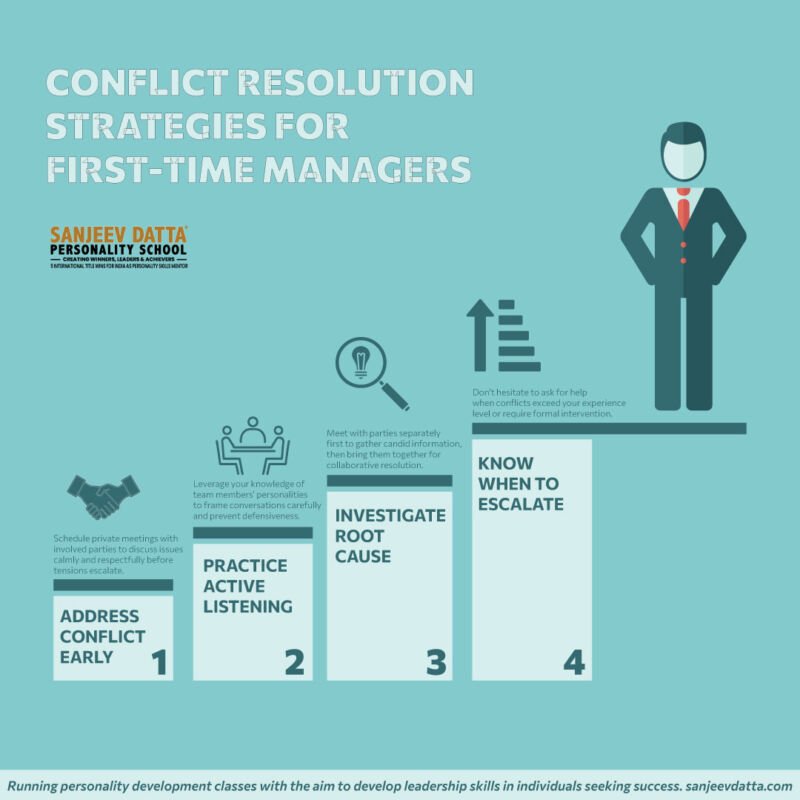
Most women think negotiation is just for salary conversations. It’s not. You negotiate every day: project timelines, workload distribution, responsibilities, recognition, and resources.
Women who negotiate well don’t just earn more—they shape their roles, their teams, and their careers more intentionally.
Negotiation fundamentals:
- Know your market value: Research industry salary benchmarks before any compensation conversation.
- Anchor high: The first number in any negotiation sets the frame. Don’t lowball yourself before anyone else does.
- Negotiate the whole package: If the salary is fixed, negotiate remote flexibility, professional development budget, title, or review timeline.
- Practice out loud: Negotiation feels awkward until it doesn’t. Role-play with a friend or in front of a mirror until the words feel natural.
The biggest negotiation mistake? Assuming things will be offered fairly without asking. They often won’t.
3. Executive Presence: How to Be Taken Seriously
Executive presence is that quality some people have that makes a room pay attention when they speak. It’s not about volume or aggression—it’s about calm authority, clarity, and confidence.
For women, executive presence often gets unfairly scrutinized—too assertive is “bossy,” too soft is “not leadership material.” But developing a genuine, grounded presence that feels authentic to you sidesteps these double standards.
Building executive presence:
- Speak with certainty: Replace “I think maybe…” with “Based on what I’ve seen…” Remove hedging language that undermines your credibility before you’ve made your point.
- Take up space: In meetings, speak early. The longer you wait, the harder it gets.
- Manage your reactions: Staying composed under pressure signals leadership capability more than any qualification.
- Slow down: Speaking slightly slower than feels natural communicates confidence and control.
Executive presence is a skill that deepens with practice. The more intentionally you work on it, the more natural it becomes.
4. Strategic Networking (The Introvert-Friendly Version)
Networking is one of the most powerful career accelerators, yet it’s the skill most women under-invest in—often because it feels transactional or uncomfortable.
But real networking isn’t collecting contacts. It’s building genuine relationships with people whose work you respect and who respect yours.
How to network strategically:
- Activate your existing network first: Former colleagues, classmates, and mentors are warm connections who already know your value.
- Show up where decisions are made: Industry events, panels, professional associations—these are where opportunities circulate before they’re publicly announced.
- Be a connector: Introduce people who should know each other. Generosity in networks creates enormous goodwill.
- Follow up with specificity: After meeting someone, send a message referencing something specific from your conversation. It shows presence and genuine interest.
Women with strong networks get considered for opportunities they never even applied for. Build yours before you need it.
5. Personal Branding: Being Known for What You Want to Be Known For
Your personal brand exists whether you manage it or not. Colleagues, managers, and industry peers already have a perception of you. The question is: does it match who you actually are and what you’re capable of?
Building your professional brand:
- Define your expertise: What are you the “go-to” person for? If the answer isn’t clear, that’s the work.
- Be visible online: A strong LinkedIn profile with regular, thoughtful posts puts you on the radar of people who would never find you otherwise.
- Volunteer for visible projects: The work that gets noticed is the work that gets rewarded. Seek assignments that expose you to senior leadership.
- Speak at events: A panel appearance or webinar participation positions you as an expert in your field faster than almost anything else.
Think of your personal brand as your professional reputation with a strategy attached.
6. Emotional Intelligence (EQ): The Leadership Multiplier
Study after study shows that emotional intelligence is one of the strongest predictors of leadership success—more so than IQ or technical skill. And yet it’s rarely taught formally.
EQ includes four key components:
- Self-awareness: Knowing your emotional triggers and patterns
- Self-regulation: Managing your reactions under pressure
- Empathy: Understanding others’ perspectives and emotions
- Social skills: Building relationships and managing conflict effectively
Practical EQ development:
- Pause before reacting in tense situations. Even 10 seconds of space changes the quality of your response.
- Seek feedback from people you trust about how you come across in difficult conversations.
- Practice naming emotions specifically rather than vaguely (“I’m frustrated because X” vs. “I’m fine”).
- Study conflict situations after they happen—what triggered you, what you did well, what you’d do differently.
High EQ women are promoted into leadership because they’re trusted—not just competent.
7. Communication Skills: Written, Verbal, and Digital
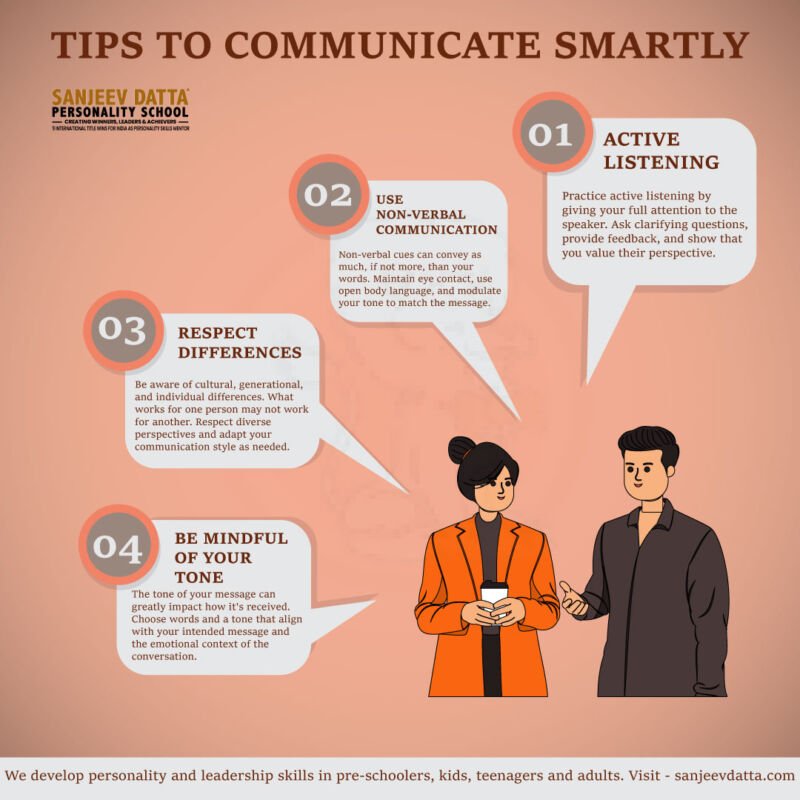
Communication is the delivery system for every other skill on this list. You can have the best ideas in the room, but if you can’t communicate them clearly and confidently, they stay locked inside your head.
Written communication:
- Be concise. Long emails with buried requests get delayed responses. Put your ask in the first two lines.
- Use active voice: “I recommend” beats “It is recommended that…”
- Proofread. Typos undermine credibility disproportionately.
Verbal communication:
- Don’t apologize for speaking: “Sorry to interrupt” weakens every point before you’ve made it.
- Use pauses deliberately. Silence after a key point adds weight to your words.
- Match your energy to the room—but never shrink below your actual conviction level.
Digital communication:
- Treat Slack, emails, and comment threads as professional spaces with the same standards as in-person communication.
- Response time is a signal. Prompt, thoughtful replies build a reputation for reliability.
This is also where structured support can make a real difference. If you’ve ever felt like your ideas come across better in writing than in person, or if you hold back in meetings because you’re unsure how to phrase things, a focused personality development course can be genuinely career-changing. These programs work on verbal fluency, confident body language, professional communication patterns, and the subtle habits that determine how you’re perceived in high-stakes conversations. You stop second-guessing yourself and start showing up as the professional you already are.

8. Leadership Skills: Even Before You Have a Title
Waiting for a leadership title to start acting like a leader is one of the most common career mistakes women make. Leadership behaviors—initiative, accountability, mentoring others, driving results—are what earn the title.
Leadership habits to practice now:
- Take ownership: When something goes wrong on your team, focus on solutions before blame.
- Mentor someone junior: Teaching others accelerates your own understanding and signals readiness for greater responsibility.
- Speak up in meetings with ideas, not just responses: Proposing initiatives positions you as a driver, not just a doer.
- Ask for stretch assignments: “I’d like to take on X—here’s how I’d approach it” is a sentence that changes careers.
Leadership is a practice, not a destination. The earlier you start, the faster you move.
how to improve body language for interviews
9. Resilience and Adaptability
Careers rarely go in straight lines, and for women navigating industries with existing biases, setbacks hit differently. Resilience isn’t about pretending the setback didn’t hurt—it’s about recovering with your confidence intact and your direction clear.
Building professional resilience:
- Separate your identity from your job title or a single outcome. You are not the promotion you didn’t get.
- Build a “board of advisors”—2 or 3 people who know your work and can provide an honest perspective when you’re too close to a situation.
- Treat setbacks as data: “What did this teach me about this environment, my skills, or my strategy?”
- Rest is not optional. Burnout masquerades as dedication until it collapses.
Adaptability—the ability to pivot when industries, roles, or circumstances change—is increasingly the defining career skill of the decade.
10. Professional Image and Presence
This is often dismissed as superficial. It isn’t. How you present yourself—in meetings, on camera, at events, and in your written communication—sends signals about how seriously you take yourself and your work.
Professional image is not about conforming to a rigid standard or spending a fortune on clothing. It’s about intentionality—making deliberate choices about how you present yourself in professional contexts.
For women who want a structured, practical approach to this, personality grooming classes offer tailored guidance on everything from camera presence and professional dressing to voice modulation, posture, and the subtle non-verbal signals that shape how others perceive your authority. These programs are particularly valuable for women re-entering the workforce, stepping into leadership roles, or simply wanting to close the gap between how they feel internally and how they come across externally. It’s not about changing who you are—it’s about making sure the world sees the version of you that you actually intend to show.

Building a Career Development Plan
All of these skills are learnable—but only if you’re intentional about developing them.
A simple career development framework:
Step 1: Audit your current skills
Rate yourself honestly across each skill in this article (1–10). Where are the gaps between where you are and where you want to be?
Step 2: Identify your highest-leverage gap
Which one skill, if improved, would have the biggest impact on your career right now? Start there.
Step 3: Create a 90-day plan
Set a specific, measurable goal. “I will negotiate my salary at my next review” or “I will post on LinkedIn once a week for 12 weeks” is actionable. “I will improve my communication” is not.
Step 4: Find accountability
A mentor, coach, peer group, or structured program holds you to the plan when motivation dips.
Step 5: Review and iterate
Every 90 days, reassess. What moved? What stalled? What changed?
FAQ: Career Skills for Women
Q. Are these skills only relevant for women in corporate environments?
Not at all. These career skills for women apply across industries—entrepreneurship, healthcare, education, creative fields, tech, and beyond. The fundamentals of communication, visibility, and advocacy matter everywhere.
Q. What’s the most important career skill to develop first?
Self-advocacy, because it unlocks everything else. You can have every other skill on this list and still stall if you can’t communicate your value and ask for what you deserve.
Q. How do I develop leadership skills without a management title?
Take initiative on projects, mentor others informally, propose ideas, and take ownership of outcomes. Leadership behavior precedes and earns the title.
Q. Is networking really necessary if I’m good at my job?
Yes. Opportunities, promotions, and collaborations flow through relationships, not just performance reviews. Talent gets you in the door; networks open the doors you don’t even know exist.
Q. How long does it take to see results from building these skills?
Some shifts (like removing hedging language) can change how you’re perceived immediately. Deeper changes—like executive presence and strategic networking—compound over 6–18 months of consistent practice.
Final Thoughts: Invest in Yourself Like Your Career Depends on It
Because it does.
The most successful women in any field aren’t just the most talented—they’re the ones who took deliberate ownership of their professional development. They negotiated when it was uncomfortable. They networked when they didn’t feel like it. They worked on their presence, their communication, and their visibility—even when they were already stretched thin.
The career skills for women in this guide aren’t shortcuts. They’re the real work—the kind that compounds quietly and then suddenly becomes visible in the form of opportunities, recognition, and a career that actually reflects your capability.
You already have the talent. Now build the skills that make sure everyone else can see it.