

Here’s a question for you: what matters more for your child’s future success—their IQ or their ability to understand and manage emotions? If you answered IQ, you’re not alone. For decades, we’ve been obsessed with academic intelligence, standardized test scores, and getting kids into the best schools. But research has dropped a bombshell: emotional intelligence predicts success in life far better than IQ ever could. Understanding why emotional intelligence training is essential for kids isn’t just about jumping on the latest parenting trend. It’s about giving your child the foundational skills they need to navigate relationships, handle setbacks, make good decisions, and thrive in an increasingly complex world.
Let’s dive into what emotional intelligence actually is, why it matters so much, and how you can help your child develop this critical life skill.
What Is Emotional Intelligence, Really?
Before we explore why emotional intelligence training matters, let’s get clear on what we’re talking about. Emotional intelligence (EQ) is the ability to:
– Recognize and understand your own emotions
– Manage those emotions effectively
– Recognize emotions in others
– Use emotional information to guide thinking and behavior
– Navigate social situations successfully
Psychologist Daniel Goleman, who popularized the concept, breaks EQ into five components:
- Self-awareness: Knowing what you’re feeling and why
- Self-regulation: Managing emotions rather than being controlled by them
- Motivation: Using emotions to pursue goals persistently
- Empathy: Understanding what others are feeling
- Social skills: Building relationships and influencing others positively
Think of EQ as the software that runs your child’s emotional operating system. Without it, even the most intelligent kids struggle in relationships, crumble under pressure, and miss opportunities that require collaboration or emotional resilience.
The Research That Changes Everything
Here’s what decades of research have revealed about emotional intelligence:
Studies from Harvard, Yale, and other leading institutions show that EQ accounts for nearly 60% of performance in all types of jobs. Meanwhile, IQ contributes only about 20% to life success factors.
Kids with higher emotional intelligence:
- Perform better academically (better focus, motivation, and stress management)
- Have healthier friendships and relationships
- Experience less anxiety and depression
- Make better decisions under pressure
- Recover from setbacks more quickly
- Are more likely to become successful leaders
- Earn higher salaries as adults
One long-term study following children from kindergarten through age 25 found that those who received emotional intelligence training had better mental health, higher educational attainment, better employment outcomes, and lower rates of criminal behavior.
This isn’t soft science or feel-good fluff. This is hard data showing that why emotional intelligence training matters goes far beyond making kids “nicer”—it fundamentally shapes their life trajectory.
importance of active play in childhood
Why Schools Aren’t Enough?
You might be thinking: “Don’t schools teach this stuff?” The uncomfortable answer is: mostly, no.
Traditional education focuses almost exclusively on cognitive intelligence—math, reading, science, and history. Even with recent attention to social-emotional learning (SEL), most schools dedicate minimal time to systematic EQ development.
Think about your child’s schedule: hours of academic instruction, homework, and test prep. How much time is explicitly devoted to understanding emotions, managing stress, resolving conflicts, or building empathy? Usually, little to no.
This creates a massive gap. Kids graduate knowing calculus but are unable to handle criticism, negotiate disagreements, or recognize when they’re burning out. They can analyze Shakespeare but can’t identify what they’re feeling or why.
That’s exactly why emotional intelligence training outside the classroom has become essential. Just as you might hire tutors for academics or coaches for sports, EQ development requires intentional focus and practice.
The Digital Age Has Raised the Stakes
Today’s kids face emotional challenges that previous generations never encountered. The digital world—while offering incredible opportunities—creates unique EQ demands:
- Social media amplifies comparison and insecurity: Constant exposure to curated highlight reels destroys self-esteem.
- Online communication lacks emotional context: Misunderstandings multiply when you can’t see faces or hear tone.
- Instant gratification erodes frustration tolerance: Kids expect immediate results and struggle with delayed gratification.
- Cyberbullying creates 24/7 harassment: Bullying used to end when kids left school; now it follows them home.
- Information overload causes anxiety: Constant news exposure to global crises creates persistent worry.
- Reduced face-to-face interaction limits practice: Kids have fewer opportunities to read body language and navigate real-time social situations.
These digital age realities make understanding why emotional intelligence training is critical even more urgent. Without strong EQ, kids are defenseless against these modern stressors.
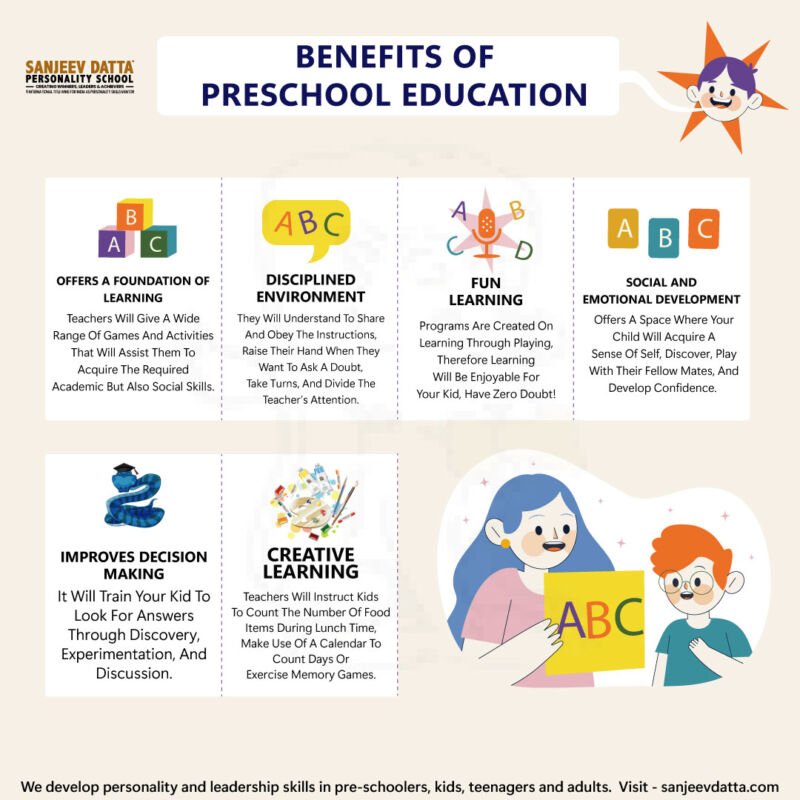
-
Self-Awareness: The Foundation of Everything
The first pillar of emotional intelligence is self-awareness—understanding your own emotional landscape. This is where EQ training begins.
Kids with strong self-awareness can:
- Identify specific emotions they’re experiencing (not just “good” or “bad”)
- Recognize physical signs of emotions (butterflies = nervousness, clenched jaw = anger)
- Understand what triggers certain emotions
- Notice patterns in their emotional responses
- Recognize how emotions influence their thoughts and behaviors
Without this awareness, kids are at the mercy of their feelings. They don’t understand why they’re suddenly angry, anxious, or sad—they just know they feel terrible and react impulsively.
Emotional intelligence training teaches kids to pause and ask: “What am I actually feeling right now? What’s causing this? What do I need?”
This simple practice transforms emotional experiences from overwhelming floods into manageable information that guides better choices.
2. Self-Regulation: Managing the Emotional Storm
Recognizing emotions is one thing. Managing them effectively is another—and this is where many kids (and adults) struggle.
Self-regulation doesn’t mean suppressing emotions or “being positive.” It means experiencing emotions fully while choosing thoughtful responses rather than destructive reactions.
Kids learn to:
- Calm themselves when upset using breathing, movement, or grounding techniques
- Express emotions appropriately rather than exploding or shutting down
- Delay gratification when necessary
- Persist through frustration and boredom
- Adapt to changing situations without melting down
- Make decisions based on values, not just immediate feelings
Consider a teen who gets a disappointing grade. Without self-regulation, they might:
- Explode at the teacher or parent
- Give up entirely on the subject
- Spiral into self-criticism and depression
- Cheat or lie to avoid consequences
With strong self-regulation, that same teen:
- Acknowledges disappointment without being controlled by it
- Asks for help understanding what went wrong
- Creates a plan to improve
- Maintains perspective about one grade in their larger life
This difference shapes entire futures. Understanding why emotional intelligence training develops self-regulation reveals how it prevents destructive patterns before they become habits.
For parents seeking comprehensive development of these critical capabilities, investing in structured personality development training provides systematic instruction that goes far beyond what casual conversations at home can achieve. Professional training programs combine evidence-based curriculum with expert facilitators who understand child and adolescent psychology, creating environments where kids practice emotional regulation techniques, receive immediate feedback, and develop lasting skills through progressive challenges. These programs offer peer learning opportunities where children discover they’re not alone in their struggles while building capabilities that determine success across every area of life.
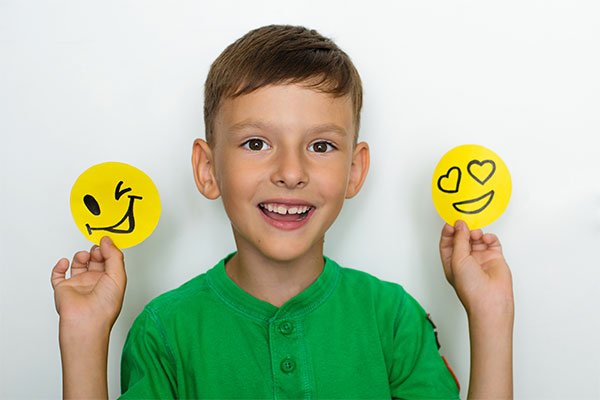
3. Motivation: The Internal Drive That Lasts
One crucial aspect of why emotional intelligence training matters involves motivation—specifically, developing internal rather than external motivation.
Kids with high EQ learn to:
- Set personally meaningful goals, not just chase rewards or approval
- Persist through obstacles because they care about outcomes
- Find satisfaction in growth and learning, not just achievements
- Maintain optimism during setbacks
- Use emotions like excitement and curiosity as energy sources
External motivation (grades, prizes, parental approval) works short-term but creates fragile drive that disappears when rewards aren’t present. Internal motivation—fueled by emotional connection to goals—sustains effort across lifetimes.
Think about learning an instrument. Externally motivated kids practice for parental approval or competition wins. When those disappear, practice stops. Internally motivated kids practice because playing brings joy, pride, or emotional expression. They become lifelong musicians.
Emotional intelligence training helps kids connect with their authentic interests and values, creating motivation that survives challenges and sustains long-term achievement.
4. Empathy: The Relationship Superpower
If self-awareness and self-regulation are about managing your inner world, empathy is about understanding others’ inner worlds. This might be the most transformative aspect of emotional intelligence.
Empathetic kids can:
- Recognize emotions in others through facial expressions, tone, and body language
- Understand perspectives different from their own
- Feel appropriate concern for others’ wellbeing
- Anticipate how their actions affect others
- Respond compassionately to others’ distress
- Appreciate diversity and reduce prejudice
Empathy creates the foundation for all healthy relationships—friendships, romantic partnerships, family bonds, professional collaborations. Kids lacking empathy struggle socially, hurt others unknowingly, and often face rejection that damages their own emotional health.
Training empathy isn’t about making kids “soft”—it’s about giving them sophisticated social intelligence. Empathetic people aren’t pushovers; they’re skilled relationship navigators who build strong networks, influence effectively, and create environments where everyone thrives.
Understanding why emotional intelligence training emphasizes empathy reveals how it prevents bullying, reduces conflict, and helps kids build the meaningful connections that research consistently links to happiness and success.

5. Social Skills: Putting It All Together
The final EQ component—social skills—integrates everything else into practical relationship capabilities.
Socially skilled kids can:
- Start and maintain conversations naturally
- Read social cues and adjust behavior accordingly
- Resolve conflicts without drama or aggression
- Collaborate effectively on group projects
- Influence peers positively without manipulation
- Build and maintain friendships across different contexts
- Network and connect with adults appropriately
- Navigate complex social hierarchies at school
These skills aren’t innate. Many smart, kind kids struggle socially because no one taught them the mechanics of social interaction. Emotional intelligence training makes implicit social rules explicit and provides safe practice opportunities.
The child who’s always picked last, sits alone at lunch, or struggles to keep friends isn’t necessarily unlikeable—they often just lack specific learnable skills. Training fills these gaps systematically.
early conflict management education
The Academic Benefits Parents Often Overlook
One compelling reason why emotional intelligence training matters is its direct impact on academic performance—something that gets parents’ attention fast.
Kids with strong EQ perform better academically because they:
- Manage test anxiety: They stay calm under pressure rather than panicking and forgetting material they know.
- Focus better: Emotional regulation helps them resist distractions and maintain attention.
- Persist through difficulty: They don’t give up when material is challenging or frustrating.
- Seek help appropriately: They’re comfortable asking questions and admitting confusion.
- Work well in groups: They collaborate effectively on team projects.
- Handle criticism: They receive feedback as learning information rather than personal attacks.
- Manage stress: They balance demanding schedules without burning out.
A meta-analysis of 213 school-based SEL programs involving over 270,000 students found an 11-percentile-point gain in academic achievement among students receiving emotional intelligence training compared to controls.
Your child’s emotional capabilities directly affect their ability to learn, perform, and achieve academically. EQ isn’t separate from academic success—it’s foundational to it.
Mental Health Protection in Anxious Times
Childhood anxiety and depression rates have skyrocketed. According to recent CDC data, 20% of children ages 3-17 have a diagnosed mental, emotional, or behavioral disorder. Adolescent depression rates have increased 50% over the past decade.
This mental health crisis is precisely why emotional intelligence training has become urgent, not optional.
EQ provides protective factors against mental health struggles:
- Emotional awareness: Kids recognize early signs of anxiety or depression and seek help sooner.
- Healthy coping mechanisms: They have tools beyond avoidance, substance use, or self-harm.
- Perspective-taking: They challenge catastrophic thinking and maintain realistic viewpoints.
- Social support: Strong relationships provide buffers against mental health challenges.
- Resilience: They recover from setbacks without spiraling into hopelessness.
- Self-compassion: They treat themselves kindly during difficulties rather than with harsh criticism.
Emotional intelligence training doesn’t replace therapy when clinical issues exist, but it dramatically reduces the likelihood of developing serious mental health problems and helps kids manage challenges before they become crises.
Comprehensive personality development for kids programs integrate emotional intelligence training with broader capability-building in communication, confidence, leadership, and social competence. These holistic programs recognize that children develop best when multiple interconnected skills are addressed simultaneously through age-appropriate activities, games, role-playing, and real-world application. Expert facilitators create psychologically safe environments where children explore emotions, practice new behaviors, and receive supportive feedback from both instructors and peers. This integrated approach ensures that emotional intelligence doesn’t exist in isolation but becomes part of a complete skill set that prepares children for every challenge they’ll face.

Decision-Making and Impulse Control
One practical reason why emotional intelligence training matters involves the life-altering power of good decision-making, especially during the teenage years when stakes rise dramatically.
Teens face decisions about:
- Substance use and experimentation
- Sexual activity and relationships
- Academic effort and future planning
- Peer pressure and group belonging
- Risk-taking and rule-breaking
- Time management and priorities
Emotionally intelligent kids make better decisions because they:
- Pause before reacting: They create space between impulse and action.
- Consider consequences: They think beyond immediate gratification to long-term impacts.
- Recognize emotional reasoning: They notice when fear, anger, or excitement is clouding judgment.
- Seek relevant information: They gather facts rather than deciding on feeling alone.
- Learn from mistakes: They analyze poor decisions to make better future choices.
- Align with values: They make choices consistent with their principles, not just peer pressure.
The difference between a teen with strong EQ and one without can literally be the difference between college admission and legal trouble, healthy relationships and abusive ones, promising futures and derailed lives.
Leadership and Future Career Success
Looking ahead to your child’s adult life, emotional intelligence predicts professional success more reliably than any other factor.
Research across industries consistently shows:
- 90% of top performers have high emotional intelligence
- Leaders with high EQ are rated more effective by peers, subordinates, and superiors
- Emotional intelligence accounts for 58% of job performance across all roles
- Workers with high EQ earn an average of $29,000 more annually

Why does EQ matter so much professionally?
Leadership requires it: Managing people effectively depends on empathy, communication, and conflict resolution—all EQ skills.
- Collaboration is mandatory: Modern work happens in teams; social skills determine effectiveness.
- Change is constant: Adaptability and emotional resilience separate those who thrive from those who struggle.
- Client relationships matter: Sales, service, and partnerships all require emotional intelligence.
- Stress is inevitable: Self-regulation determines who burns out versus who persists.
Understanding why emotional intelligence training shapes career outcomes helps parents see it as a practical investment in their child’s financial future, not just “nice to have” soft skills.
The Window of Opportunity
Here’s something crucial: while emotional intelligence can be developed at any age, childhood and adolescence offer optimal windows for building these capabilities.
During these formative years:
- Brains are highly plastic and receptive to new patterns
- Habits aren’t yet deeply entrenched
- Kids are actively forming their identities
- Practice opportunities exist daily in school and social settings
- Interventions have decades to compound benefits
Teaching a 12-year-old emotional regulation is far easier than trying to rewire a 32-year-old’s emotional patterns. The neural pathways established now become the defaults your child operates from throughout life.
This isn’t about creating pressure—it’s about recognizing opportunity. The EQ skills your child develops now will serve them for 70+ years across every domain of life.
Practical Skills Parents Can Start Teaching Today
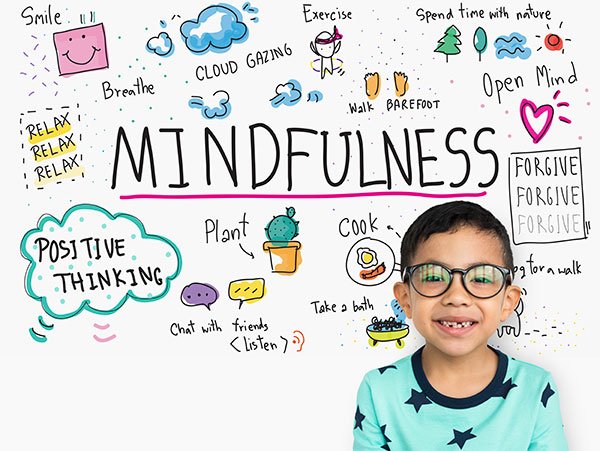
While professional training offers systematic development, parents can begin building emotional intelligence at home immediately:
- Emotion labeling: Help kids identify specific emotions beyond “good” or “bad.” Use feeling charts or emotion wheels.
- Emotional check-ins: Ask “What are you feeling?” not just “How was your day?”
- Model emotional awareness: Share your own emotions appropriately. “I’m feeling frustrated because…” shows emotions are normal and manageable.
- Validate feelings: “That sounds really disappointing” before problem-solving teaches that emotions deserve acknowledgment.
- Teach calming techniques: Practice deep breathing, progressive muscle relaxation, or mindfulness together.
- Problem-solve emotions: When calm, discuss what triggered feelings and explore healthy responses.
- Read emotional cues: Point out facial expressions and body language in real life or media.
- Discuss others’ perspectives: “How do you think they felt when that happened?”
- Practice conflict resolution: Role-play disagreements and explore win-win solutions.
- Celebrate emotional growth: Acknowledge when your child manages emotions well or shows empathy.
These daily practices complement formal training and reinforce learning across all contexts.
Addressing Common Parent Concerns
- “Won’t focusing on emotions make my kid too sensitive?”
No—emotional intelligence creates resilience, not fragility. Kids learn to experience emotions without being overwhelmed by them. They become stronger, not weaker.
- “My child is naturally empathetic. Do they still need training?”
Yes—even naturally empathetic kids benefit from developing self-regulation, motivation, and social skills. Plus, natural empathy without boundaries can lead to codependency or emotional exhaustion.
- “We can’t afford formal training. Is my child doomed?”
Absolutely not. While formal programs accelerate development, consistent parental modeling and practice at home provide substantial benefits. Many excellent books, apps, and free resources exist for families committed to this work.
- “What if my teen refuses to participate?”
Frame it as skill-building, not “fixing” them. Emphasize practical benefits they care about (better friendships, less stress, college success). Sometimes, peers in programs become the motivation—hearing from other teens with similar struggles.
bilingual development benefits for kids
The Long-Term Ripple Effects
Understanding why emotional intelligence training is essential extends beyond individual benefits to societal impacts.
Emotionally intelligent children become adults who:
- Build stable, healthy families
- Contribute positively to workplaces
- Participate constructively in communities
- Handle stress without violence or substance abuse
- Resolve conflicts peacefully
- Model emotional health for the next generation
These ripple effects compound across generations. Your investment in your child’s emotional intelligence doesn’t just change their life—it shapes the lives of everyone they’ll interact with for decades to come.
Taking Action: Next Steps for Parents
If you’re convinced that why emotional intelligence training matters, here’s how to move forward:
- Assess current EQ: Notice your child’s strengths and challenges across the five EQ components.
- Model EQ yourself: You can’t teach what you don’t practice. Work on your own emotional intelligence.
- Start conversations: Begin discussing emotions regularly and openly at home.
- Research programs: Look for quality emotional intelligence or social-emotional learning programs in your area.
- Read together: Share age-appropriate books about emotions, empathy, and relationships.
- Seek support when needed: Don’t hesitate to consult therapists or counselors for serious emotional challenges.
- Be patient: EQ development takes time. Celebrate little progress rather than expecting immediate transformation.
- Stay consistent: Like physical fitness, emotional intelligence requires ongoing practice, not one-time learning.
- Your child’s future success—in relationships, career, health, and overall life satisfaction—depends more on emotional intelligence than almost any other factor. Understanding why emotional intelligence training is essential is the first step. Taking action to develop these skills is the gift that keeps giving throughout your child’s entire life.
The question isn’t whether your child can afford emotional intelligence training. It’s whether they can afford to go without it.
Frequently Asked Questions (FAQs)
Q. Why is emotional intelligence training more important than academic achievement?
Emotional intelligence training isn’t more important than academics—both matter. However, research shows EQ predicts life success (happiness, relationships, career achievement, income) more accurately than IQ. Why emotional intelligence training is essential stems from the fact that kids can have perfect grades but struggle in life without EQ skills like self-regulation, empathy, and social competence. Academic knowledge means little if kids can’t manage stress, build relationships, or persist through challenges.
Q. At what age should emotional intelligence training begin?
Emotional intelligence development should begin as early as toddlerhood with basic emotion labeling and regulation, though formal training programs typically start around ages 6-8. The pre-teen and teenage years (10-18) represent critical windows when kids face increasing social complexity, academic pressure, and emotional intensity. Understanding why emotional intelligence training matters at these ages reveals that establishing healthy emotional patterns before they solidify into adult habits provides lifelong benefits.
Q. Can emotional intelligence really be taught or is it innate?
Emotional intelligence is absolutely teachable—research definitively proves EQ can be developed through training and practice. While some children may have natural temperamental advantages (calm disposition, social ease), the specific skills comprising EQ—emotion recognition, self-regulation techniques, empathy practices, conflict resolution—are all learnable. Why emotional intelligence training works is because it provides systematic instruction and repeated practice that rewires neural pathways, creating new emotional habits regardless of starting point.
Q. How is emotional intelligence different from just being “nice”?
Emotional intelligence is sophisticated psychological capability, not personality pleasantness. “Nice” people can lack EQ (unable to set boundaries, manage their own emotions, or handle conflict). Meanwhile, highly emotionally intelligent people might be firm, direct, or challenging when situations require while still demonstrating empathy, self-awareness, and social skill. Why emotional intelligence training matters is it develops competence in navigating emotional landscapes effectively, not just encouraging superficial agreeableness.
Q. Will emotional intelligence training help my anxious child?
Yes—emotional intelligence training significantly helps anxious children by teaching emotion recognition (identifying anxiety early), self-regulation techniques (calming strategies that actually work), perspective-taking (challenging catastrophic thoughts), and social skills (reducing social anxiety through competence). However, EQ training complements but doesn’t replace professional therapy for clinical anxiety disorders. Understanding why emotional intelligence training reduces anxiety reveals that many childhood fears stem from feeling emotionally overwhelmed and lacking tools to manage feelings.
Q. How long does it take to develop emotional intelligence?
Basic improvements often appear within 8-12 weeks of consistent training, though developing comprehensive emotional intelligence typically requires 6-12 months of regular practice. Like physical fitness, EQ development continues throughout life—there’s no “finished” point. Why emotional intelligence training requires time is that you’re essentially rewiring habitual emotional responses and building new neural pathways through repeated practice. Quick fixes don’t create lasting change; consistent effort over months yields transformation.
Q. What if my child is naturally analytical and not very emotional?
Analytical children often benefit most from emotional intelligence training because they can learn EQ skills systematically like any other subject. Being less naturally emotional doesn’t mean lacking capacity for EQ—in fact, analytical kids often excel once they understand the logic and benefits of emotional competence. Why emotional intelligence training works for all personality types is it adapts to individual learning styles, teaching skills through frameworks and practice rather than requiring innate emotional sensitivity.
Q. Can boys benefit from emotional intelligence training as much as girls?
Absolutely—boys arguably need EQ training even more urgently because traditional masculinity often discourages emotional awareness and expression. Boys with high emotional intelligence show lower rates of aggression, better academic performance, healthier relationships, and reduced mental health struggles. Why emotional intelligence training matters for boys specifically is that it gives permission and tools to develop capabilities society often suppresses in males, creating well-rounded individuals who succeed personally and professionally.
Q. Is emotional intelligence training the same as social-emotional learning (SEL)?
They’re closely related but not identical. Social-emotional learning (SEL) is the educational framework for teaching EQ skills in schools, covering self-awareness, self-management, social awareness, relationship skills, and responsible decision-making. Emotional intelligence is the broader concept of these capabilities. Why emotional intelligence training matters extends beyond school-based SEL to include specialized programs, therapeutic approaches, and family practices that systematically develop these competencies across all life contexts.
Q. What return on investment can I expect from emotional intelligence training?
Research shows people with high emotional intelligence earn $29,000 more annually on average, have 58% better job performance, experience significantly lower rates of mental health problems, and report higher life satisfaction. While impossible to quantify precisely, the ROI of EQ training compounds over a lifetime across career success, relationship quality, physical health (stress management), and overall well-being. Why emotional intelligence training represents one of the best parental investments is that it provides benefits across every life domain for 60+ years.